Search Results
32 results for “bathe parrot”
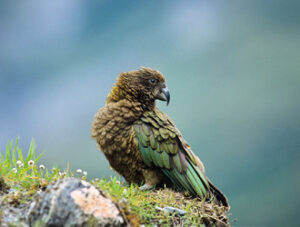
Kea
The Kea is a large, olive-green parrot native to New Zealand's high mountains, famous for its curiosity, destructiveness, and the habit of pecking sheep. Now Vulnerable, it needs a very sturdy cage, group or single housing, and a varied diet.

Rosy-faced Lovebird
The Rosy-faced Lovebird is easily recognized by its head color, very similar to a peach. In the wild it often damages farmers' hard-grown crops, so it is driven away by local farmers.

Sun Parakeet
The Sun Parakeet (Sun Parakeet) is a smart little parrot with bright plumage. It can talk and perform, making it very lovable. Its noisiness is well known—if you can accept this flaw, these human-like little parrots will add warmth to your family.

Maroon-bellied Parakeet
The Maroon-bellied Parakeet (Pyrrhura frontalis) is one of the most common small conures, about 24–26 cm long, with 3 subspecies. Easy to breed and affordably priced, it adapts quickly to owners and is a good choice for beginners, though it can be aggressive toward other species.
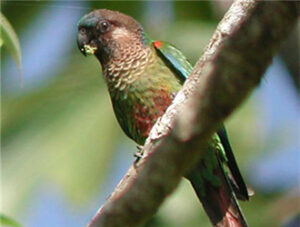
Painted Conure
The Painted Conure (Pyrrhura picta) has 9 subspecies and lives in forests and forest edges of Venezuela, Brazil, and neighboring countries, mostly around 600 m elevation. A small, attractive conure, it is a decent pet but sensitive to temperature changes and needs a clean environment and a varied, nutritious diet.

Hoffman’s Conure
The Yellow-winged Parrot (Hoffman's Conure) belongs to the order Psittaciformes, family Psittacidae. The body is green; the forehead, crown, nape, the area between the eye and bill, and the cheeks have yellow edges; the ear coverts are red. It mainly inhabits forest edges, especially dense woodland and secondary vegetation at tropical and subtropical elevations of 500-3,000 m.

Yellow-naped Amazon
The Yellow-naped Amazon is a parrot with outstanding talking ability; with proper training it can be truly astonishing. However, although it talks well, it can also be very noisy, so before keeping one you must be sure it will not disturb you or those around you. Of course, it has quiet moments too - for example, wild Yellow-naped Amazons are very quiet while foraging.
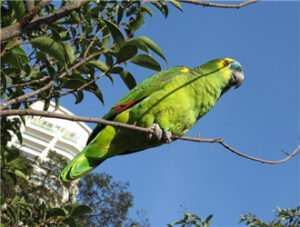
Green-Cheeked Amazon
The Green-Cheeked Amazon is now endangered due to habitat destruction and illegal trapping by humans. It is currently listed under CITES Appendix I as a protected species.

Chestnut-Fronted Macaw
The Chestnut-Fronted Macaw rivals the large macaws in talking ability. It has very beautiful plumage, a medium build, and a featherless face covered with small black spots. It originates from the tropical regions of the Americas.

Keeping and Taming Lovebirds (Agapornis)
Lovebirds (Agapornis) are small, pretty, affordable African parrots that cannot mimic human speech clearly but copy other birds and animals well. Keep them in pairs or flocks in a sturdy cage, bathe them weekly in summer and dry in sun, and feed varied seed, millet, oyster shell, and fruit. For chicks, use wood-shaving bedding, keep warmth above 25°C, and build a call signal during feeding so they bond and recognize you.
- « Previous
- 1
- 2
- 3
- 4
- Next »