Search Results
32 results for “bathe parrot”
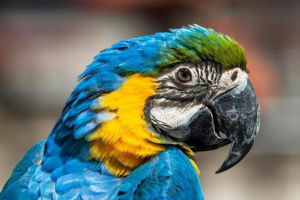
How to Bathe Your Parrot
In summer, without regular baths, parrots develop a strong odor. Owners dislike a smelly pet bird, so bathe them regularly. For beginners, our team shares bathing tips and methods.
How often should a parrot be bathed?
Parrot bath frequency depends on season: every 2-3 days in sunny summer, weekly in cold winter. They enjoy water baths and small ones also take dust baths.
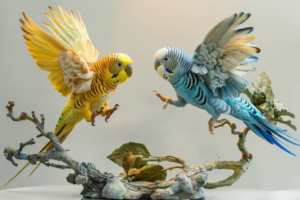
How to Treat Severe Feather Loss in Parrots
Heavy feather loss in parrots usually signals feather-picking syndrome, driven by parasites, skin infection, nutritional gaps, a poor environment, hidden illness, or stress. Treatment starts with pinpointing the cause — a better diet, a vet exam with skin scraping, or cleaner surroundings — and keeping the bird in a stable, calm home.
What to Do When Blood Parrot Cichlids Fight and Lose Scales, Exposing Flesh
When blood parrot cichlids fight, they tear off scales and can expose raw flesh, which invites infection. Isolate the injured fish and treat it with a 2–3% salt bath plus antibacterial or 'yellow powder' medication, keep the water at 28–30°C, and change it every three days. To stop the fighting, give more space, feed more, or separate the bullies.
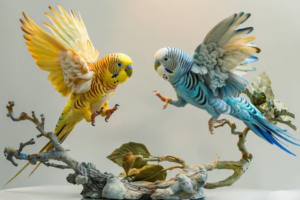
How to Dry a Parrot After a Bath
After a bath, gently blot a parrot with a soft towel, then wipe its eyes and nostrils with a cotton swab. Place it in a warm, airy spot to shake and air-dry. In low temperatures, use a low-heat, low-speed dryer from a distance; mild sunlight is fine but not too long to avoid heatstroke.

How to Reduce Feather Dust on an African Grey Parrot
Feather dust (powder down) is normal parrot metabolism and can't be eliminated, only managed. Bathe grey parrots only after feathers grow in (about 4 months), dry them well, and use pellets and bird shampoo to reduce buildup.

How to Treat a Parrot Fish’s Black Mouth
A black mouth or body can be harmless genes, a bacterial wound, or fright. Gene spots fade with age and need no care; a wound from fights in bad water needs clean water or a dye bath; fright just needs quiet and no tank-tapping.

What to Do When Parrot Fish Get Enteritis
Parrot-fish enteritis has several causes, and the signs and cure differ by cause: bacterial, internal parasites, a water swing, or indigestion. Tell them apart by appetite and stool, then bath or deworm - and fix the water when that is the trigger.

Why Is My Parrot Fish’s Belly Swollen?
A swollen parrot-fish belly means overfeeding and indigestion, pregnancy, or gut disease. Stop feeding and medicate for indigestion, ease water changes during pregnancy, and use norfloxacin or a stronger mix for enteritis - but find the cause first.
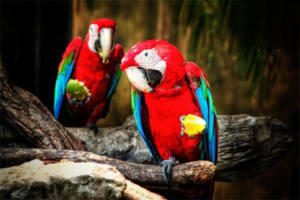
What to Do When Your Parrot Smells Strong in Summer?
In summer, many owners tell our team their pet parrots develop a strong odor. This is normal in high heat. Today we share ways to reduce excess odor.