Search Results
32 results for “bathe parrot”

How to Deworm a Parrot and How Often
Hand-raised parrots that aren't dewormed regularly can fall prey to fleas, lice, coccidia, trichomonas, and other internal and external parasites. This guide covers practical parrot deworming methods—external baths and sprays, plus internal medications—along with a safe yearly schedule.

Pacific Parrotlet
The Pacific Parrotlet (Pacific Parrotlet), also known as the Pocket Parrot, is relatively small among parrots. This parrot has a very good, playful, brave, and confident personality, which is why so many people keep it.

Yellow-crowned Parrot
The Yellow-crowned Parrot is a very intelligent Amazon parrot with four subspecies. It looks plain and is fairly cheap, but has excellent talking ability; captive-bred birds are tame and interact frequently with owners, though most on the market are wild-caught.

Why Does a Parrot Pluck Its Feathers?
A parrot plucks its feathers to groom, out of boredom or stress, from calcium/vitamin deficiency, or due to infection (feather lice). Bathe it every 2–3 days, give chew toys and out-of-cage time, keep a quiet spacious cage, supplement calcium and greens, and deworm or see a vet for skin disease. Occasional plucking is normal; frequent plucking needs attention.
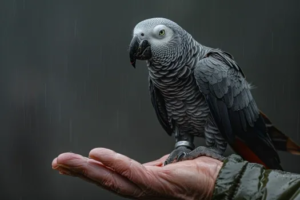
Pacific Parrot: Traits and Care
The Pacific parrot (or Pacific parakeet) is among the smallest parrots, only about 12 cm long and 30 g, earning the nickname "pocket parrot." Mostly green or blue, it is gentle, cute, and not very destructive, and can even learn a few words. In the wild it flocks and eats seeds, berries, and fruit; in captivity it needs a small cage, mixed seed or pelleted food, baths, and sunlight. Breeding runs January to May with four to six eggs.

How to Treat Scale Loss in Blood Parrot Cichlids
Find the cause before treating scale loss in blood parrot cichlids: fighting from overcrowding, poor water with bacteria (leading to red-skin disease or fungus), or injury. Fix overcrowding with a bigger tank or separation and yellow powder; clean the water and add salt or potassium permanganate; for red-skin or fungal disease, isolate, disinfect the tank, and use salt/permanganate or furacillin baths.
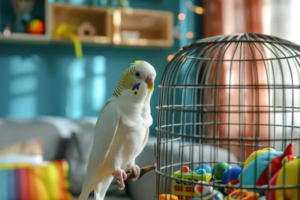
How to Care for a Lovebird
Use a sturdy metal cage (not wood - they chew and may escape), line the bottom with shavings or sand, and feed a balanced pelleted diet plus grains, fruit, and vegetables (avoid avocado and sugary or fatty human food). Feed by age - newborns every 1-2h, adults once daily - and change food and water daily. Give cooled boiled water in a shallow dish and keep them cool.
It has been plucking constantly, almost all its feathers are gone, looks like it has worms – any reliable method? I don’t dare buy random medicine online
Feather plucking has many causes: anxiety, boredom, virus/mold/parasite infection, nutrient gaps. For example, giardia infection can cause plucking - deworm promptly, give some antibiotics, bathe often, ventilate, improve life quality. To stop plucking, put a collar on; disinfect bleeding wounds with iodine.

At What Age Can a Cockatiel Take a Bath?
Most parrots can bathe once they are 3–4 months old and fully feathered, since younger birds catch colds easily. Use plain water, choose warm sunny weather, and never force a reluctant bird. This article explains the right age and bathing do's and don'ts.

Grey-headed Lovebird
The Grey-headed Lovebird (Agapornis canus) is loved for its largely green plumage, its lifelong pair bonds, and its quiet nature compared with many other parrots. Native to Madagascar, it is a small, gentle, and shy companion bird.
- « Previous
- 1
- 2
- 3
- 4
- Next »