Search Results
2848 results for “balance”

How to Supplement Calcium for Dogs Properly
Normally dogs barely need calcium supplements; over-supplementing makes bones outpace muscles, easily causing joint issues. Here is how to supplement calcium properly.

Treating Mucoid Enteritis in Young Rabbits
Young rabbits (40–70 days) are highly susceptible to mucoid enteritis from pathogenic E. coli and its toxins; mortality is high. This guide covers symptoms, diagnosis, antibiotic/supportive/herbal treatment, and prevention.

Know Rabbit Disease Patterns to Prevent Them Well
Some rabbit diseases follow patterns; knowing them helps prevention greatly. Some are untreatable or hard to treat and kill before you can act, so prevention must come first. Here is how.

Non-Infectious Causes of Diarrhea in Rex Rabbits
Diarrhea in rex rabbits—especially kits—is common and dangerous. While vaccines and drugs now control infectious causes, non-infectious factors (fiber imbalance, stress, antibiotics, toxins) are often overlooked. This guide covers them.
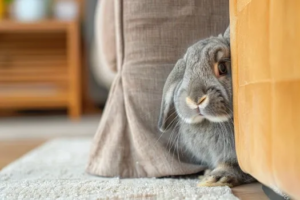
Preventing and Treating Rabbit Enteritis in Autumn
Enteritis is a key autumn risk for rabbits—warm, humid early autumn fuels pathogens and moldy feed. This guide breaks down parasitic, bacterial, toxic, and stress-related enteritis and how to prevent each.

Dog Too Thin? How to Help It Gain Weight
Some dogs look thin from poor nutrition, worrying owners. Thin dogs do need to gain weight, but wisely—overfeeding causes health problems. Here is how to help a dog gain weight.

Caring for a Rabbit with Heart Disease
Rabbit heart disease can't be cured, only managed with medication, stress control, weight management, and good care. Early diagnosis and attentive nursing let a heart patient live a long, happy life.

Hamster Shedding and Summer Care
Summer shedding is normal for hamsters as they lose their thick winter coat, but constant shedding may signal illness. Also guard against heatstroke with shade, water, ventilation, and cooling foods.

Canine Coronavirus in Dogs
Canine coronavirus is a contagious gut infection causing vomiting and diarrhea, especially dangerous to puppies. There is no targeted cure, so treatment stabilizes symptoms while prevention relies on hygiene and avoiding crowded dog areas.

Symptoms of Rabbit Ear Inflammation and How to Treat It
Rabbit ear inflammation (otitis) causes head tilt, ear drooping, foul-smelling discharge, and balance problems, and can lead to deafness or even fatal meningitis if left untreated. Mild buildup can be managed at home with gentle ear cleaning and anti-inflammatory drops, but inflammation with discharge and odor requires prompt veterinary care.