Search Results
2848 results for “balance”

What to Do When Your Dog Has Frequent Diarrhea
Frequent dog diarrhea usually traces to one of four causes: a chilled stomach from cold weather or cold food, intestinal parasites (look for worms in the stool), gastroenteritis (viral or bacterial), or simple overeating and dietary indiscretion. Warming the dog and adding a probiotic helps mild cases, deworming treats parasites, and a vet may use anti-diarrheals plus antibiotics for gastroenteritis. Persistent, bloody, or accompanied diarrhea needs prompt veterinary care.

Dog Ear Odor: Could It Be Ear Inflammation?
A dog's L-shaped ear canal makes infection easy, and odor often signals otitis. Inflammation ranges from outer (otitis externa) to middle and inner ear; left untreated, outer infection can progress to the middle ear and even cause hearing loss, loss of balance, or meningitis. Prevention is straightforward: keep ears dry after baths, pluck ear hair in floppy long-haired breeds, and clean weekly with a pet ear solution, never alcohol or peroxide. Regular parasite control also helps, since mites trigger ear infections.

Recipe: Chicken Breast and Rice Cat Meal
Many cats love a home-made chicken breast and rice meal. This simple recipe mixes lean chicken with nutrient supplements — taurine, vitamins, calcium, and salmon oil — to make a balanced occasional feed. It takes under ten minutes to prepare, uses a gram scale and egg-yolk separator, and the leftovers freeze well in portion-sized packs for easy thawing. It is a tasty supplement, not a stand-alone staple diet.

Should You Spay or Neuter Your Cat?
Deciding whether to spay or neuter your cat is a personal choice with real trade-offs. Benefits include fewer diseases—neutering males lowers urinary and prostate problems and stops territorial spraying and aggression, while spaying females prevents ovarian cysts, pyometra, and mammary or ovarian tumors—plus a longer average lifespan and calmer behavior. The main drawback is a higher obesity risk because hormones shift and activity drops, which raises the chances of diabetes, joint, heart, and urinary-stone problems, especially in males. The right call depends on your cat; if you proceed, always use a licensed veterinary clinic.

How to Boost Your Cat’s Immune System
Keeping your cat's immunity strong is essential for a healthy, happy life, letting it better resist disease. Boosting immunity takes a combined approach: feed a scientifically balanced diet, encourage moderate exercise, keep the living environment clean, stay up to date on checkups and vaccinations, maintain daily grooming, and reduce stress by providing a stable, secure home. Together these measures build a robust immune system so your cat stays healthier and enjoys life by your side.

What to Do When Your Cat Has a Weak Immune System
A cat with weak immunity gets sick easily, and several factors can be responsible—an unbalanced diet, an unclean living environment, genetic predisposition, advancing age, chronic stress, or lack of exercise. Because the causes vary, care should be tailored to the individual cat. In general, boosting immunity means feeding a balanced diet, encouraging moderate exercise, keeping the environment clean and sanitary, staying current on parasite control and vaccinations, and providing routine grooming. With consistent, personalized management, you can strengthen your cat's natural defenses and reduce how often it falls ill.

Why Is My Dog Walking Weakly or Lacking Energy?
A dog that suddenly walks weakly or seems unable to move may be showing signs of an underlying problem. Common causes range from simple fatigue, hunger, thirst, low blood sugar, or calcium deficiency to musculoskeletal issues such as osteoporosis, fractures, sprains, or bone tumors. Other diseases—heart conditions, parasite infections, gastrointestinal disease, anemia, or viral infections—can also cause weakness. Because the cause can be minor or serious, have your dog examined by a veterinarian promptly; the vet can diagnose the issue accurately and recommend effective treatment, while proper diet, rest, and exercise help keep your dog healthy.

Why Is My Dog’s Eye Swollen?
A swollen dog eye can come from many sources: a diet that's too salty or dry (so-called 'internal heat'), minor bumps and scratches from play, a stray eyelash or dust, strong odors, or an actual eye infection like conjunctivitis. Mild cases often improve with a gentle clean, a saline rinse, and dog-specific eye drops, but swelling with redness, discharge, or no improvement after a few days should be checked by a vet. Acting early prevents minor irritation from becoming a serious infection.
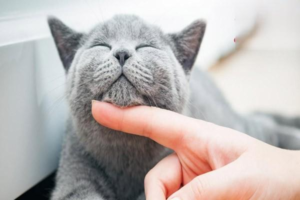
Why Your Cat May Sleep More or Pass Gas After Deworming
House cats are usually dewormed every 2-3 months, and most show no reaction, but a cat with a heavy parasite load or a weak constitution can have mild side effects. Frequent passing of gas comes from the drug speeding gut movement and fermenting food; if the cat acts normal it eases within an hour, and a pet probiotic can help. Mild vomiting or diarrhea, drowsiness, or lowered appetite are also usually normal and pass in 1-2 days, though severe cases need a vet to rule out toxicity or fatty liver.

What to Do If Your Pet Rabbit Is Constipated
Constipation is common in pet rabbits and, when severe, leads to refusal to eat and listlessness, so it needs prompt attention. Causes include unbalanced feed with too little water, foreign material in the diet, lack of exercise, or secondary disease such as anal inflammation or gut atony. Signs are dropping appetite, weak gut sounds, small hard droppings, then no stool at all, sometimes with bloating. Treatment clears the gut with short fasting, water, abdominal massage, and, if needed, a sodium bicarbonate enema; prevention centers on greens, water, exercise, and a fixed feeding schedule.