Search Results
2848 results for “balance”

Senior Dog Vision Fading? Foods That Protect the Eyes
Eye disease is common in dogs—conjunctivitis, keratitis, glaucoma, cataracts—and over half of dogs past ten develop cataracts. Diet can slow that decline. Vitamin A from liver and carrot supports night vision; antioxidants like lutein, vitamins C and E, and anthocyanins guard the retina; omega-3 from fish eases dryness. Avoid overdoing vitamin A or raw food, and get seniors checked yearly.

How to Ease Acid Reflux in Dogs
If your dog dry-heaves after meals or brings up white foam or yellow fluid with foul breath, it may not be simple stomach upset—it could be acid reflux, or GERD. The stomach's lower valve relaxes and lets acid creep up the esophagus, which can inflame and even ulcerate over time. Diet changes, vet-guided medication, and a few lifestyle tweaks usually bring real relief.

How Deadly Is Canine Parvovirus? It Comes Down to Three Factors
Canine parvovirus is a highly contagious disease that can kill, but the outcome is far from fixed. Survival depends largely on the virus strain, the dog's age and immune status, and how quickly treatment begins. While reported mortality ranges from around 10% to 80%, prompt veterinary care can push survival above 70%. Understanding the risk factors and acting fast makes the single biggest difference for a sick dog.
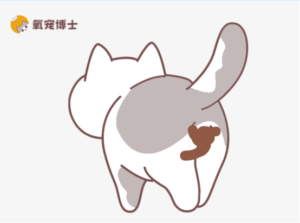
Kitten Always Has Poop Stuck on Its Fur?
Poop clinging to a kitten's rear fur almost always traces back to soft stool or diarrhea. The loose stool can come from diet, food allergy, parasites, flora imbalance, or underlying disease, while body shape, long hair, flat faces, and very young or old age make self-cleaning hard. Soften and wipe gently, then fix the root by firming the stool—and see a vet if soft stool persists.

Should Cats Eat One Food or Rotate?
Feeding one food keeps a cat's gut stable and makes health changes easy to spot, but it risks nutrient gaps, pickiness that fights later prescription diets, and silent formula changes. Rotating broadens nutrition and spreads product-risk, yet sudden or too-frequent switches upset the stomach. The balanced answer is to rotate on a schedule, with a slow 7–10 day transition and a few months on each food.
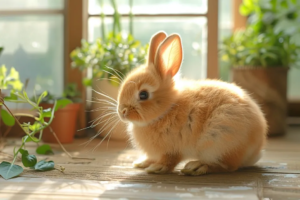
What to Feed a Rabbit With Pica
A rabbit with pica is often short on fibre, protein, vitamins or minerals, so the fix starts with diet. Always offer hay rich in fibre, add varied safe vegetables like carrot, broccoli, cabbage and apple for vitamins, and choose a quality pellet that supplies protein, calcium, phosphorus and traces for full nutrition. Fresh water must be available, and give chew items such as wooden toys, hay balls and chew sticks to satisfy the gnawing urge and turn interest away from wrong objects. If pica persists, a vet should rule out behavior or anxiety causes.
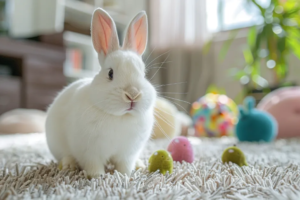
How to Prevent Pica in Rabbits
Pica is when a rabbit eats non-food items like fabric, plastic, paper or wires, often from unbalanced fiber, lack of chew material, stress, boredom or loneliness, or an underlying problem such as overgrown teeth or gut parasites. Prevent it with plenty of hay and fresh vegetables, clean bowls, safe chew toys, tunnels and climbing spots, and regular social contact and affection. If diarrhea, constipation or vomiting appears, see a vet, since digestive disease can drive the behavior.

How to Boost Your Dog’s Immunity
Strong immunity is the core of a healthy dog, and it drops with poor nutrition, no exercise, stress, environment change and parasites. Lift it with probiotics during stressful moves, daily exercise of about two 30-minute sessions, routine vaccination and deworming, regular play and attention for mental health, and a balanced natural diet instead of salty human food. Owners often forget a dog needs companionship, not just freedom from illness.
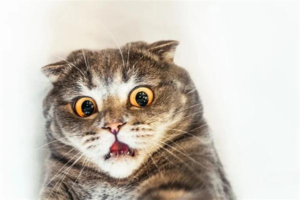
What Happens When a Cat Lacks Vitamin C
Long-term lack of vitamin C gives a cat scurvy: low spirit, poor appetite, anemia, weight loss and easy bleeding or skin inflammation. As it worsens, gums swell and bleed, wounds heal poorly, and in severe cases cheeks and tongue ulcerate or die back, with joint pain and bleeding in the bladder, gut, kidney or nose. Treat with oral or injected vitamin C plus symptomatic care, and prevent it with a balanced, complete diet, since processing destroys much of the vitamin in food.

How Feline Chlamydial Pneumonia Develops
Feline chlamydial pneumonia is a highly contagious but uncommon cat disease, well covered by routine vaccination, so regularly vaccinated cats rarely catch it. It spreads through eye, nose and mouth secretions on shared bowls, cages or hands, and by sneezing. It starts as conjunctivitis and, left untreated, can advance to fever, pneumonia and infections of the airways or reproductive tract. Antibiotic eye ointment and oral antibiotics clear it, but recovered cats still carry and shed the organism, so isolation matters.