Search Results
2848 results for “balance”
The Six Essential Nutrients Every Cat Needs
Like all mammals, cats need six nutrients to stay healthy: protein, carbohydrates, fat, minerals, vitamins, and water. Except for water, these must come from a balanced cat food rather than being offered separately. Each nutrient plays a distinct but interlocking role—protein builds and repairs tissue, fat supplies concentrated energy, and vitamins support everyday function. This article explains what each nutrient does, why animal protein suits cats best, and a key caution: raw fish and raw meat can rob cats of vitamin B1 and invite parasites, so always cook them and choose a complete, well-labeled commercial diet.

Recipe: Raw Beef Cat Meal
A raw beef cat meal is a balanced staple you can make in under five minutes. Dice 200 g beef tenderloin, 50 g beef heart, and 30 g beef liver, then mix in supplements — taurine, calcium carbonate, multivitamin, salmon oil, probiotics, and a vegetable/fruit puree (under 5% of the total) with alfalfa and kelp powder. Because this is a boneless "edited" raw diet, calcium is essential. Stir well with a little cooled boiled water and serve.

4 Things You’re Missing If Your Dog Has Bad Breath
A dog's bad breath is not normal—it often means disease. Leftover food builds bacteria that cause tartar, periodontal disease, and can spread to the liver, heart, and kidneys. Keep the mouth healthy with four habits: brush one to two times a week using pet toothpaste (human toothpaste can poison if swallowed; water and a pet brush work too); check teeth regularly and see a vet for serious issues; give chew toys and dental treats to wear teeth; and feed a balanced, mostly dry diet with supplements for micronutrients (deficiency causes mouth ulcers). About 80% of dogs without dental care develop oral disease by age three—prevent early.

What Are the Symptoms of a Dog Cold?
Dog cold symptoms mirror those of cats and people—mostly upper-respiratory: sneezing, runny nose, cough, and fever. A bacterial cold usually comes from getting chilled (sudden temperature drops, high humidity, or a wet coat after a bath) and is often mild, sometimes needing only simple care; with Bordetella infection a dog will cough. A viral cold demands attention—the top suspect is distemper, whose signs span the respiratory, digestive (vomiting, diarrhea), nervous (loss of balance, head tilt, tremors, seizures), and skin (pustular rash, thickened nose/paw pads) systems. Know the difference so you can act fast.
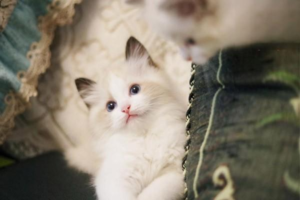
Why Does My Cat Keep Passing Gas (and What to Do)?
Frequent farting in cats is usually about digestion, but other overlooked factors matter too. Eating too fast or too much swallows air that comes out smelly; high-fiber, dairy, or very high-protein foods increase gas (excess protein also strains the pancreas); and past gut disease or unbalanced gut flora can make gas and stool smell worse. Occasional gas is normal, but constant gas affects health. Improve it by reviewing the diet, encouraging water (well-hydrated cats have less smelly waste), and trying a pet probiotic to balance gut flora and aid digestion.

Ear Mites in Dogs: Why the Smell Means Trouble
Ear mites (Otodectes) are ear-canal parasites that feed on lymph and fluid; females are 0.35–0.45 mm, males 0.275–0.36 mm—barely visible white dots. Left untreated they cause inflammation and crusting within about two weeks and can progress to middle or inner ear infection, even hearing loss and loss of balance. Signs: foul-smelling dark ear discharge, head-shaking and scratching, and sometimes worsened tear stains (the ear and facial nerves connect). Treat by isolating the dog and disinfecting its space, cleaning the canal, and applying a miticide as directed until gone; prevent with routine ear care. If it won't clear, see a vet. (Mites rarely infect people.)

Should You Reattach a Cat’s Lost Whisker?
A cat losing whiskers isn't something to glue back—whiskers can't be reattached, and usually they don't need to be. Shedding is normal with age (older cats' whiskers whiten, break, and fall as metabolism slows) and during growth (kittens lose and regrow them along with coat and teeth). The real worry is disease: skin infections (bacterial or fungal) and nutritional or metabolic disorders can also make whiskers fall. If loss comes with skin problems or you suspect a deficiency, act early—supplement vitamins and minerals, adjust the diet, check the skin, and consider fish-oil coat support.
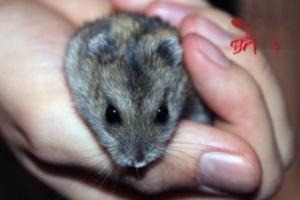
Can Hamsters Eat Vegetable Leaves?
Vegetable leaves add water and help hamsters cool off in summer, but only in moderation and always washed and dried, since excess moisture causes diarrhea. A few servings a week aid digestion and prevent constipation, with grains as the staple and millet or mealworms for balance. Hardy foods also help wear teeth. Avoid spicy vegetables like chili, onion, garlic, and leek, and never human leftovers or wilted, refrigerated greens, which can harbor bacteria and toxins.

Why Has Your Cat’s Appetite Suddenly Increased?
A bigger appetite is normal in growing kittens, who need two to three times an adult's nutrition, and in cold weather, when cats eat more to stay warm, so boost their diet seasonally. But if a cat eats eagerly yet seems unsatisfied, the food may lack nutrients, and cheap filler drives a vicious cycle of hunger. Irregular once- or twice-daily feeding also triggers binge eating and even vomiting, so feed on a fixed, small-meal schedule. Watch weight, since obesity harms cats.

Can a Human Cold Spread to a Cat?
Owners often ask whether their cold can pass to the cat. Cats can catch it, though less easily—their resistance is generally stronger than ours, but once a cat's immunity drops it becomes vulnerable. Prevention beats treatment: an owner with a viral cold should isolate, wear a mask, and avoid sneezing or talking directly at the cat, since masks block droplet spread both ways. Keep windows open for ventilation (with screens to prevent falls). Recovery tips: watch the weather and keep the cat warm, get both cat and owner sunlight for disinfection and calcium, feed a balanced diet with taurine, B vitamins, and fatty acids, and spend time playing to keep the cat's immunity up. A cat's resistance is decent—good prevention keeps it virus-free.