Search Results
2848 results for “balance”
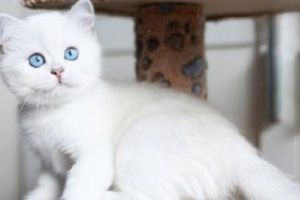
Why Is Your Cat Shedding?
Shedding is often normal: kittens lose soft baby fur around 4–8 months, and all cats do a seasonal coat change in spring (March–May) and autumn (September–November). But it can also signal trouble—external parasites (mange mites, fleas) cause redness, itching and hair loss; poor nutrition or too much salt weakens the coat. Rule out illness, then manage loose hair with a vacuum and a de-shedding tool. Never over-salt the food, and keep protein and vitamins adequate.
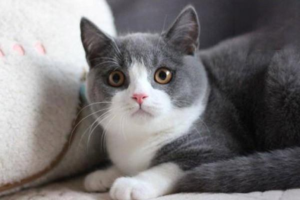
Dealing With Heavy Spring Shedding
In the shedding season cats are walking dandelions as they swap coats for the new climate. Fight it four ways: brush daily with a multi-tooth pin brush (gentle, so the cat learns to love it); bathe monthly with cat-specific shampoo and dry thoroughly; feed a balanced diet with skin-support nutrients like omega-3/6; and use a hairball gel (a gut lubricant, not a dissolver) instead of inducing vomit with cat grass, which can inflame the esophagus and trigger pancreatitis.

Why Does My Rabbit’s Nose Twitch Constantly?
A rabbit's nose may twitch frequently for many reasons—sniffing, breathing trouble, anxiety, or bacterial and parasite infections, even a nose injury. When the rabbit is calm or asleep, the twitching usually slows or stops. To protect your pet, provide a suitable environment, balanced diet, controlled temperature and humidity, and regular cleaning and disinfection to limit infection. If the twitching persists with a runny nose, injury, appetite loss, or lethargy, consult a veterinarian for a proper diagnosis and treatment plan.

Rabbit Lying Down with Weak Limbs — What to Do
Seeing a rabbit flat on the ground with weak legs can look like the end, but the cause is often treatable. The three usual suspects are heatstroke from a hot, stuffy room, low blood sugar from poor nutrition, and coccidiosis, a parasitic gut infection. Each has a distinct fix, from cooling and glucose to deworming and disinfection. This guide explains how to tell them apart and what to do before a vet visit becomes necessary.
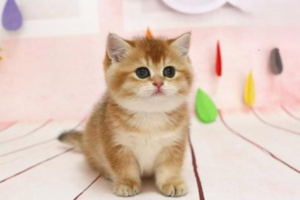
Why Are My Cat’s Paw Pads Cracked and Peeling?
A cat's paw pads are usually soft and smooth, so cracking or peeling stands out. The cause is often simple—dry autumn air—but it can also signal ringworm, a nutrient gap, or a cut from rough play. Because the pads matter for everything a cat does, the issue deserves a quick look. This guide covers the four common reasons and the matching care, from a dab of moisturizer to a veterinary visit.
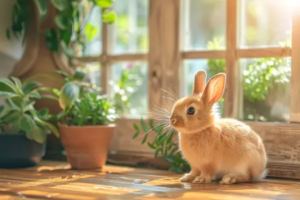
Is It Normal for a Rabbit Not to Poop for a Day?
Rabbits digest food quickly and usually pass droppings soon after eating, so a full day without poop can be a warning sign. It may simply mean your rabbit ate little, or it could indicate constipation from poor feeding, lack of exercise, weak digestion, hairballs, or a dirty water supply. Owners should keep food and water fresh, monitor intake, and help with fluids, probiotics, and exercise when needed. Understanding the cause is key—this article breaks down why rabbits stop pooping and how to respond.

How Old Is Your Cat in Human Years?
The old 'one cat year = seven' rule is wrong; a 1-year-old cat is already like a 24-year-old human, and each year after adds about four, so an 8-year-old is roughly 48. Average lifespan is 10–20 years and hinges on care: indoor cats live far longer (stray Li Hua often under 3), while breeds vary—fold-ears under 10, Exotic ~11, BSH ~12, Persian ~15, ASH/Ragdoll ~15–18, Siamese ~18–20. Estimate age by teeth, eye clarity, muscle, and coat; extend life with a clean home, vaccines, good food, and rest.

The Secret in Your Dog’s Whiskers
We feel the world with our hands; dogs feel it through smell. But like us, they use more than one sense—and another is their whiskers. The thick hairs on a dog's muzzle, chin, and cheeks are vital: set deeper in the skin, they help the dog read the environment. Like human fingers, whiskers are highly sensitive; their follicles are packed with nerves and blood vessels, giving touch feedback straight to the brain faster than other routes. Studies show half the sensory region of a dog's brain connects directly to its whiskers. Whiskers also sense tiny air currents and vibrations—key to a dog's night vision. Some breeds use them like cats to judge if they fit through tight spaces, and in fights both dogs reflexively flick whiskers forward to threaten. Cutting whiskers does not impair spatial balance (despite the myth), but it does hurt—the follicles are full of nerves—so never cut them for looks.
Why Does My Rabbit Keep Tearing Up?
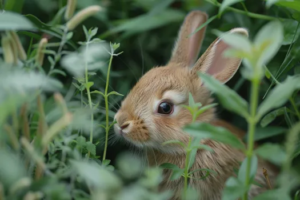
Rabbits that constantly tear up may be reacting to simple irritants, eye infections, blocked tear ducts, dental disease, or even congenital eye conditions. Because persistent tearing can signal discomfort or an underlying problem, owners should keep the eye area clean, maintain a hygienic habitat, and ensure a balanced diet. If the tearing worsens or appears with redness, discharge, swelling, or loss of appetite, a veterinary exam is essential. This article covers the common causes and the practical home care steps you can take to keep your rabbit comfortable and healthy.

Your Dog’s Pica (Eating Non-Food) Is Simpler Than You Think
Pica is when a dog eats non-food items. Some dogs fixate on one object; others eat all sorts of strange things. It is dangerous because what they swallow usually stays in the gut undigested or disrupts digestion. Pica is not the same as eating feces—that common behavior is not classified as pica and is no cause for alarm. Causes range from simple hunger, poor nutrition, and hormonal imbalance to diabetes, thyroid disease, and even separation anxiety or stress (some breeds like Labradors are more prone). Diagnosis needs blood, stool, and urine tests, with no guarantee of an answer. Treatment depends on the cause: physical pica with digestive upset may improve by splitting two large meals into 3–4 small ones plus deworming and nutrition; psychological pica needs patient, cumulative retraining. Above all, do not blindly dose supplements—every dog's pica has a different cause.