Search Results
2848 results for “balance”

What Happens When Dogs Eat Unevenly?
Feeding a dog unevenly, with stretches of hunger followed by overeating, harms its health and happiness. A dog's digestive system needs steady nourishment; frequent starvation and binging strain it, causing indigestion, vomiting, or diarrhea. Long-term nutrient gaps can slow development, weaken immunity, and invite chronic disease, while the starve-binge cycle destabilizes weight. To keep a dog healthy, feed on a consistent schedule, keep portions balanced, and always provide fresh water.

Choosing a Cat Food Your Cat Will Love
With countless foods on the shelf, meet both quality and your cat's tastes. Cats can't make their own amino acids, so fish-rich food supports vision and hunting; a freeze-dried recipe built on high-quality fish and chicken with digestible milk powder boosts immunity and coat, plus vitamin A, E, and taurine for bright eyes. Pick a balanced, scientific formula.

Six Essential Nutrients for Cats
Beyond water, cats need six nutrients from food, working together. Protein (best from meat, fish, eggs, organs) builds and repairs tissue; fat stores energy and carries vitamins. Never feed raw fish or meat: raw fish destroys vitamin B1, causing fits and shock, and both risk parasites and liver disease. Choose balanced quality food with egg yolk and chondroitin.

5 Cat Diseases Linked to Poor Nutrition
Poor diet drives five common feline problems. Obesity brings arthritis, diabetes, and more; pancreatitis ties to fat intake; lower urinary disease links to stress, low exercise, and weight; heart disease follows excess sodium from human leftovers; and diarrhea improves with added fiber. Feed proper cat food, not table scraps.
How to Boost Your Cat’s Immunity
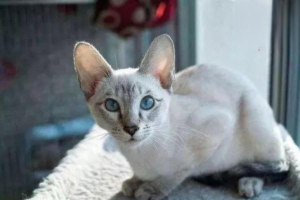
Strong immunity rests on diet and exercise. Feed quality protein, healthy fats, minerals, and taurine, with balanced freeze-dried food and enough water. Add play with boxes, wand toys, and cat tunnels, keeping intensity gradual to protect heart and joints. Consistency is the key to a long, healthy life.

Papillon Temperament and Care
The Papillon is a small, elegant European breed named for its butterfly-like ears. Weighing just 3 to 5 pounds, it has a soft, flowing coat in white, black, brown, or patterned colors. Despite its size, the Papillon is lively, affectionate, and highly intelligent. These dogs bond closely with their families, greet strangers kindly, and adapt to apartments or houses alike. They are quick to learn and enjoy training, games, and companionship. Because they are active and curious, they need daily exercise, mental stimulation, and regular grooming. A balanced diet, routine veterinary checks, and social interaction keep a Papillon healthy and happy. With the right care, this bright little companion becomes a devoted, joyful member of the household.

How to Care for a Red-Eared Slider (Brazilian Turtle)
Red-eared sliders, often called Brazilian turtles, are inexpensive and hardy, which makes them a popular first pet turtle. But like any reptile, they need the right setup to stay healthy. Provide a spacious aquarium or tub so the turtle can swim freely, keep the water between 20 and 30 degrees Celsius with a heater, and add a basking platform or dry land where it can climb out to warm up and rest. Without natural sunlight, use a UVB lamp to support calcium absorption and shell development. Change the water regularly and keep the substrate clean to prevent infection. Feed a balanced omnivorous diet of vegetables, fruit, insects, and quality pellets, with calcium and vitamin supplements. With consistent care, your turtle can thrive for years.

Essential Tips for Cat Owners
Before adopting, match a cat to your time and life; consider a companion if you're often away, check for allergies, and spay or neuter. Boxes beat fancy toys, scoop the litter often, add vertical scratchers, and build grooming habits young. Feed balanced quality food to avoid disease and deficiency.

Cat Chin Acne: Causes and Solutions
Cat chin acne, or feline acne, is not the same as folliculitis; only when it gets infected does folliculitis develop. Mild blackheads that just affect looks may need no treatment. Causes range from poor chin cleaning and bacteria or mites to plastic bowls, diet, and individual hormone or allergy issues. A simple case clears with a warm compress and antibiotic ointment, while red, scabby cases need a vet exam. The same logic applies to a greasy black tail.

How to Help an Overweight Dog Lose Weight
Extra fat harms a dog's joints, heart, liver, and kidneys, and traps it in a no-exercise cycle. Weigh it every three months, then control diet by balancing food calories against two hours of exercise, feeding fewer calories than maintenance. Swap treats for carrots and apples, stay firm, distract it from food, and add regular activity.