Search Results
2849 results for “balance”

Favorable Conditions for Arowana Coloration
Good arowana color rests on five pillars: a pure bloodline, stable and clean water, a dark yet well-lit tank with combined top and side lighting, varied and nutritious feeding, and a balance of slow and fast growth. Patience is essential, because coloration is a long, gradual process.

Why Arowana Lose Color and the Risks of Forcing Quick Coloration
Arowana can fade because of heat, poor water quality, or long-term pigment feeds, and some fading is permanent. Many keepers chase rapid, vivid color, but the tricks used—restricted feeding, lower temperature, lower pH, reduced water flow—stunt the fish's growth and rob it of its natural stature. Balanced development matters more than looks.

Why Guinea Pigs Develop Malocclusion (Bad Bite)
Guinea pig malocclusion is common because their teeth grow continuously and need constant wear. Signs include trouble chewing or swallowing and reduced intake; diagnosis is by exam or imaging under anesthesia. Treatment is dental burring to restore the bite - extractions are nearly impossible. Feed high-fiber food and schedule checkups.

Cat Anemia: Causes and Prevention
Cat anemia is not just about poor diet - it can stem from single-nutrition feeding, external parasites, feline leukemia, congenital marrow disease, or sepsis. Prevent it with a balanced, nutrient-rich diet, regular deworming, and supplements like a blood-building paste.
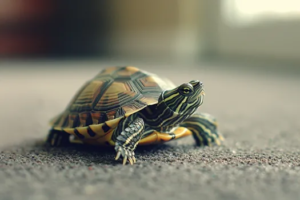
Why Are My Turtle’s Eyes Sunken?
Sunken eyes in turtles are usually from poor nutrition or serious dehydration. Malnutrition comes from illness/parasites or an unbalanced diet; dehydration from dry-keeping without soaking, bacterial infection, or hibernation. Treat the underlying cause, replenish nutrients (fish/shrimp, vitamins) and water, and see a vet if it doesn't improve.

Prevention and Treatment of Colds in Turtles
A turtle cold can progress to pneumonia, which is far more dangerous, so treat it promptly and watch for pneumonia signs. Isolate the sick turtle, keep the enclosure at about 30°C, and use antibiotic baths (e.g., cephalexin) or amoxicillin by weight; prevention focuses on good water quality and strong immunity.

Why Do Parrots Get Depression?
Parrot depression shows as feather-plucking and irritability, harming the bird and risking head-banging. Common causes are boredom, anxiety, hormonal or environmental change, and mineral deficiency - all preventable with company, enrichment, and balanced diet.

Common Misconceptions About Feeding Pets
Common feeding mistakes include giving white rice and organ meat (skin and bone problems), fish (choking and urinary stones), cooked bones (intestinal tears), human leftovers (too much salt and oil), long-term raw meat (dental and picky-eating issues), chocolate (toxic to dogs) and milk or raw egg white (diarrhea and vitamin loss). Feed a balanced, species-appropriate diet.

Why Is My Dog Unsteady on Its Feet?
A dog that stands unsteadily or wobbles may have several issues: overgrown nails digging into the paw, arthritis, long-term calcium deficiency, muscle strain from too much exercise, or—most seriously—distemper. Most are manageable, but distemper-related weakness means the disease is advanced and needs immediate veterinary care.
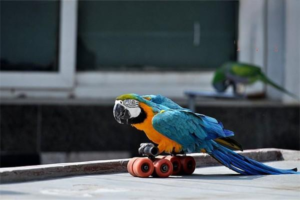
Why Does a Parrot Get Scabs on Its Face and What to Do
Scabby patches on a parrot's face usually mean a scaly-mite (Knemidokoptes) infection, which can be life-threatening if severe. Treat by applying white petroleum jelly to suffocate the mites, soften thick crusts first, and support recovery with vitamins and a clean, dry environment.