Search Results
2849 results for “balance”
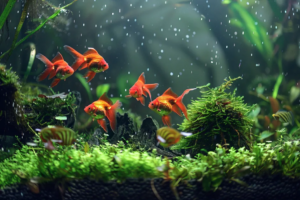
Causes of Acquired Arowana Drop-Eye
Factors causing acquired arowana drop-eye include feeding, water level, light, and the keeping environment. In general, acquired drop-eye results from incorrect keeping methods. Although drop-eye is not a disease and causes no harm, it seriously affects appearance. Our veterinarian details the causes, hoping keepers will take preventive measures.

How to Prevent Arowana Drop-Eye
To prevent arowana drop-eye, the most important thing is to control and balance the lighting so it stays even, feed the arowana with higher-buoyancy foods, and avoid having children or small pets playing and moving near the tank. In short, the key is to stop the fish from looking downward for prolonged periods, since chronic downward gaze easily leads to drop-eye. Below, our veterinarian explains in detail how to prevent it.
What Causes Swim Bladder Disorder in Blood Parrot Cichlids and How to Treat It?
Swim bladder disorder is common in blood parrot cichlids; signs include lying on the side or upside down, floating or sinking. What causes it and how to treat it? Learn with our team.

What Nutrients Does a Growing Dog Need?
Growing dogs grow fast; meet all nutrient needs to avoid stunted growth. Our team details key nutrients for this stage.
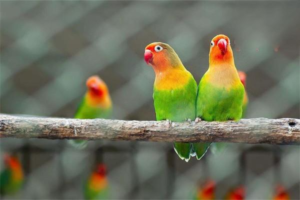
Things New Parrot Owners Should Note!
Parrots are easy—they eat little, need no walks, and chat or sing. More people choose them, but beginners make mistakes from inexperience. Our team shares notes for new owners.

Why Is My Parrot Losing Feathers or Shedding Its Beak?
Feathers drop most of the year and peak in autumn - that is normal. Bare patches, blood, or plucking point to depression or skin disease, and a flaking beak is just normal wear. Read the signs.
How to Trim Your Dog’s Coat at Home
A long, dragging coat gets dirty and traps heat in summer. With the right tools and calm handling you can groom at home - face, body, legs, and especially the paws and pads.

Why Does Your Dog Eat Grass?
Dogs eat grass for several reasons: to ease indigestion, to fill a nutrient gap (pica from missing minerals), to expel swallowed objects, or to self-clean the stomach. Occasional grass eating is normal, but frequent pica points to a diet fix needed.

What to Do When Your Cat Has Pica
Pica in cats—eating non-food items like plastic or plants—often stems from poor digestion, a lack of trace minerals, illness, or plain curiosity. Manage the environment, balance the diet with vitamins and minerals, and spend more time playing with and monitoring your cat; see a vet if other illness signs appear.

Symptoms and Treatment of Indigestion in Dogs
Dog indigestion usually comes from improper feeding. Signs include vomiting and diarrhea, abdominal pain with dehydration, and—if gastroenteritis is the cause—a fever. Treat with a 12-hour fast plus pet probiotics, feed on a regular schedule in small meals, and see a vet if it has not improved in 2–3 days.