Search Results
50 results for “aggression signal”

How to Tame an Aggressive Cockatiel
A cockatiel that turns aggressive is usually frightened, nervous, or unsettled in its surroundings—not truly mean. Win its trust with patient, gradual contact, a calm setting, and regular gentle interaction rather than force or punishment.

Why Does an Adult Rabbit Attack Baby Rabbits?
An adult rabbit may attack a younger one to defend status and resources, maintain social rank and territory, or protect its own litter, and environmental stress or health issues can also trigger it. To reduce such aggression, keep density appropriate, maintain a clean hutch, and give proper social training.

How to Show Your Dog You Love It (in a Language It Understands)
Dogs may not speak, but their emotional world is rich. Brain-imaging work at Emory University shows a dog's brain reacts to its owner's voice and scent in areas similar to where humans process emotion, so your affection is a real signal your dog can feel. You can speak its language through soft eye contact (which raises oxytocin in both of you), calm pressure-petting, high-engagement play, frequent praise, leaving a scented item in its bed, and keeping a predictable routine. These small daily acts lower stress and deepen the bond far more than words alone.

Common Mistakes in Dog Training
Raising an obedient dog depends on steady training, but many owners fall into habits that actually slow progress. A common mistake is waiting until a puppy is older, yet dogs mature fast and the window around three months, when they absorb and mimic readily, is prime learning time. Hitting or scolding is another trap: it breeds fear and resistance and can even trigger aggression, whereas rewards and praise build trust. Changing commands and hand signals mid-training only confuses the dog, so keep each cue consistent. Long, exhausting sessions backfire too, so keep training to 15 to 20 minute blocks in a relaxed mood. Finally, skipping socialization, the practice of meeting people, places, and other animals, leaves dogs timid or reactive. Patient, consistent, positive training paired with good nutrition is what truly shapes a well-behaved companion.

Can Dogs Get Annoyed With Their Owners?
Dogs can grow weary of their owners, but it is less 'annoyance' and more that the owner's interaction style has become a source of stress. Endless hugging, kissing, or disturbing a dog's rest can raise its cortisol level by 27%–42%, leading to refusal to interact, ignored commands, sudden warmth toward strangers, or even furniture-chewing as a silent protest. The remedy is healthy boundaries: learn the dog's 'emotional threshold' signals—yawns, nose licks, a turned back, avoided eye contact—then stop and give it space, keep a predictable routine, and spend quality time outdoors together.

How Cats Show Stress and Why It Matters
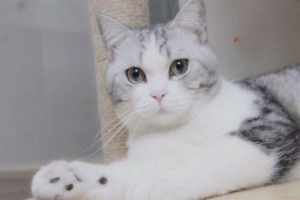
A trigger can be noise, a stranger, travel, or a move, and each cat reacts differently. Hiding, hissing, even sudden aggression are normal first responses, while deeper stress brings appetite changes, soft stools, or vomiting. Beyond discomfort, strong stress lowers immunity and can unmask hidden disease, so calm, patient handling matters most.
Cat Stress Reactions and How to Ease Them
Stress is the most common feline behavior problem and a driver of many diseases. Triggers include new homes, vet or grooming visits, noise, household changes, and resource competition in multi-cat homes. Signs range from acute fear to chronic hiding, over-grooming, and aggression. Ease stress with a calm space, play, pheromones, and a vet check.

Caring for a Cat with Dementia
As cats age, odd behaviors may signal cognitive decline or brain atrophy. Watch for big swings in appetite, litter-box confusion and accidental soiling, sudden personality changes or aggression, and broken sleep. These warrant a prompt vet visit to find the right plan.

The Secret Behind Why Cats Knead
Kneading is a habit cats form as nursing kittens, pressing the mother's belly to draw milk while feeling warm and safe. Many keep it into adulthood as a way to communicate comfort and affection. There's even an evolutionary angle: scent glands in the paws release pheromones during kneading that signal bonding and can calm aggression. When your cat kneads you, stay quiet, don't grab the tail, and let it express its love. This article uncovers the reasons and the gentle way to respond.
The Samoyed: A ‘Smiling Angel’—but Think Twice Before You Commit
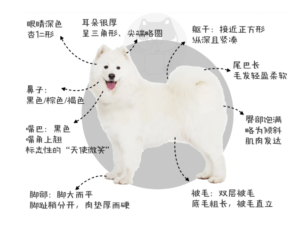
The Samoyed's famous 'smile' is real, and so is its friendliness, trainability, and adaptability. But this breed sheds heavily, needs daily exercise, has a sensitive stomach, and shows its share of health issues—tear stains, dermatitis, heatstroke, obesity, and hip dysplasia. Before you fall for the looks, weigh the work it takes to keep one happy and healthy.