Search Results
50 results for “aggression signal”

How to Stop a Cat from Biting
Wondering how to stop your cat from biting you? The right approach combines play, redirection, boundaries and reading your cat's body language — not punishment.

What to Do If an Unvaccinated Rabbit Bites You
Rabbit bites do happen, usually as a frightened counter-attack or a mistaken finger-as-food. A rabbit's mouth carries many bacteria and viruses, so any bite that breaks the skin — especially one that bleeds — should be cleaned and promptly checked at a hospital, where a vaccine is usually advised.
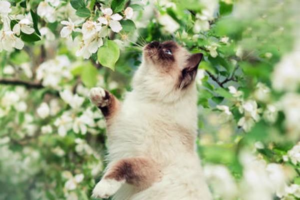
How Weather Affects Your Cat’s Mood and Health
Cats feel weather as keenly as people do, storms, cold, heat, and humidity all shift their mood and health. Watch for heatstroke and hypothermia in extremes, and keep the home between 20 and 25 C with sun, warmth, and steady routine.

What Does It Mean When a Cat Hisses?
A hissing cat is mimicking a snake — a defensive 'protective mimicry' that signals fear or stress, not aggression for its own sake. It shows up when territory, hunting, mothering, or handling trigger alarm, and pushing the cat harder can spiral into dangerous stress (even FIP or cystitis). Give space, avoid cornering, and let the cat decompress.

How to Tell What Personality Type Your Dog Has
Every dog is an individual, but their temperaments generally fall into five broad types. By observing how your dog reacts while walking, playing, and being left alone, you can read its mood signals and build a closer, better-trained relationship.

Reading Your Cat’s Emotions Through Body Language
Cats show relaxation, happiness, play, fear, anger, and illness through posture, tail, eyes, and ears. Learning these signals helps you respond calmly and protect both of you.

Do You Know Why Cats Wag Their Tails?
Cats do wag their tails, and the tail is a mood barometer: fast flicks mean displeasure, slow sway means a bit angry or hunting, a light slap means unhappy or about to attack, a tiny gentle wag toward you means affection, and a high tail shows confidence while a low one shows fear.

What Are the Symptoms of a Dog in Heat (Estrus)?
Male dogs in heat: frequent urination to mark territory; strong interest in females; restlessness and agitation; mild aggression; attempts to escape. Females: vaginal bleeding or discharge; raised tail exposing genitalia; clinginess and interest in males; possible appetite loss and anxiety. During heat, leash tightly to avoid mating or fights. If you don't plan to breed, consider spaying/neutering to avoid health and breeding risks.
How strong is a dog’s territorial instinct?
Dogs have a fairly strong territorial instinct - they mark their territory with urine to signal to other animals that the area is claimed. When a stranger or another animal approaches, a dog may bark or even attack to defend it. However, the intensity varies by individual, breed, socialization, and early training; some dogs are more territorial and prone to aggression toward intruders, so early socialization is important to prevent bites.

Why Do Dogs Wag Their Tails?
A wagging tail is not always a happy dog. Dogs wag for many reasons — joy, relaxation, curiosity, alertness, fear, boredom, or a show of dominance — and the position and speed of the wag tell you which. Most wagging is a friendly greeting to people or other dogs.