Search Results
50 results for “aggression signal”

Soft-coatedWheatenTerrier
The Soft-coated Wheaten Terrier, also called the Wheaten or Irish Soft-coated Terrier, is Ireland's oldest terrier, dating to the 18th century. A medium-sized, brave and well-coordinated sporting terrier with a soft, silky wheat-colored coat and a gentle, happy temperament.
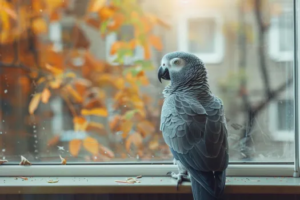
Symptoms of Parrot Depression
Depressed parrots show clearer signs than humans: dropping appetite, sudden aggression, frantic feather plucking (a severe signal), and louder, sadder screaming. Find the trigger — lost mate, neglect, confinement — and give more companionship.

Signs of Parrot Depression
Depressed parrots show dropping appetite, new aggression, feather-plucking (which can become a destructive habit), and changed vocalizations. Since they need companionship, spend time with them and provide toys or a companion bird to prevent it.

How to Avoid Conflict with Your Cat
Cats show clear warning signs before attacking—puffed fur, thrashing tail, airplane ears, hissing, and wide eyes. Give them space: avoid eye contact, back away, and don't punish. Rule out pain or illness with a vet check if aggression appears suddenly, and use food and calm handling to rebuild trust.
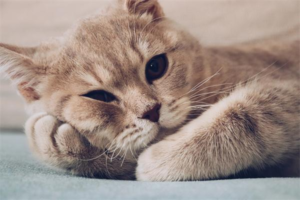
Why Is My Cat Licking Its Lips?
A cat licking its lips may just be grooming after a meal, but it can also signal stress, mouth pain, nausea, dry mouth, or an upper respiratory problem. Watch for drooling, bad breath, or frequent licking, and see a vet if anything seems off.

Why Does Your Dog Spin and Bite Its Tail?
A dog spinning to bite its tail may just be bored, but it can also signal an itchy tail, impacted anal glands, selenium deficiency, or self-mutilation syndrome. Check the tail and rear, express glands regularly, fix the diet, and see a vet if it injures itself.

Why Do Hamsters Bite?
Hamsters usually bite out of fear or a perceived threat, using the behavior to defend their territory or themselves. Biting can also signal illness or discomfort. Reducing incidents comes down to a safe, calm environment and gentle, trust-building handling that respects the animal's boundaries.

How Does a Mother Cat Raise and Train Her Kittens?
A mother cat raises her kittens largely through demonstration and by correcting misbehavior the moment it appears. During the key 2–7 week socialization window she models proper conduct, uses distance and vocal cues to discourage bad behavior, and teaches bite inhibition so kittens learn to play gently.

What Are the Signs of an Unhappy Rabbit?
An unhappy rabbit may show reduced appetite, destructive behavior, less activity, and more aggression. Causes include too little food or being ignored - a hungry or neglected rabbit gets upset. Respond to the cause to ease its negative mood.

Do Cats Hold Grudges? (They Probably Don’t)
Cats don't hold grudges—their memory is survival-oriented (short-term ~10–15 minutes; long-term only 'reward/punishment' links for danger avoidance). 'Revenge' acts like peeing on the bed are fear/stress responses or scent-marking for security, not spite. Keep trust with gentle handling and treats; if stressed, use pheromones and give space.