Search Results
395 results for “acute diarrhea”

Can Antibiotics Cure Turtle Diarrhea?
Antibiotics can help some cases of turtle diarrhea, but diarrhea is a symptom, not a disease, so using them without finding the cause is risky. Causes range from parasites and gastroenteritis to diet changes and stress. This article explains when antibiotics help and when they do not.
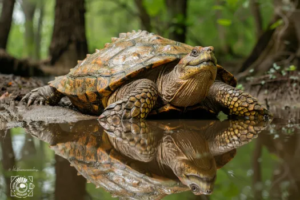
What Causes Diarrhea in Turtles?
Turtle diarrhea can be acute (with vomiting, sometimes fatal) or chronic (causing dehydration). Causes include parasites, gastroenteritis, wrong medication or feeding, and big temperature swings. Never dose antibiotics blindly—find the cause first. This article covers the reasons and responses.

Is Your Hamster’s Diarrhea a Sign of Wet Tail?
Is your hamster's diarrhea a sign of wet tail? Many owners treat any loose stool as wet tail, but diarrhea is not always caused by it. Owners should identify the real cause before treating. Let's look at the common causes of hamster diarrhea.
What happens if a Husky has diarrhea?
Husky diarrhea may be from parasites, acute gastroenteritis, parvo, etc. Untreated → dehydration, electrolyte imbalance, gut lining damage, bloody stool, death. Take to a vet promptly for cause-specific treatment. Owners should watch diet/health and deworm regularly.
My dog had acute gastroenteritis with bloody stool and vomiting blood after treatment—what now?
Acute gastroenteritis needs treatment matched to cause and symptoms, starting with fasting and water restriction. Persistent vomiting causes dehydration, electrolyte imbalance and even shock or death, needing urgent anti-emetics and fluids. Bloody stool and vomit are severe—give hemostatics, gut-repair and anti-inflammatory drugs, find the bleeding cause, and use prescription diet during recovery.
My dog has diarrhea, vomited white foam three times, then yellow fluid—what’s wrong?
Your description centers on vomiting and diarrhea rather than confirmed cold symptoms; colds rarely cause digestive signs. Causes vary—if from bad diet or overeating it may be acute gastroenteritis needing fasting, fluids and anti-emetics; if unvaccinated, see a vet for diagnosis and hospitalization.
My dog is vomiting yellow foam, won’t eat, is weak all over, keeps lying on the floor, and has yellow diarrhea
Vomiting, diarrhea, and weakness usually signal a serious disease; severe vomiting/diarrhea can dehydrate and exhaust the dog, so it lies weakly — get to the vet for fluids and treat the cause. Common causes: acute gastroenteritis from overeating or spoiled food; infectious disease like distemper, parvovirus, or coronavirus; intestinal parasites like roundworm, hookworm, giardia; also chill, stress, organ injury, or poisoning.
A 2-month-old Labrador with diarrhea, vomiting white foam, lethargy, no barking, no tail wagging
Diarrhea, white-foam vomit and lethargy in a 2-month-old have many causes needing clinical workup; usually acute gastroenteritis from bad diet, or viral/parasitic/toxic. If it ate spoiled or greasy food, suspect acute gastroenteritis—fast, give probiotics/anti-inflammatories, and see a vet if weak/dehydrated. If unvaccinated/un-dewormed and young, consider parvovirus, coronavirus or distemper—highly fatal—requiring hospital care.
What should I do if my puppy has watery diarrhea?
Watery diarrhea may come from acute enteritis, parasites, or viruses. Give glucose or electrolyte water and pet anti-diarrhea medicine, then bland food; if fever appears, see a vet.
My cat vomited and had diarrhea every day and then died; what happened?
Daily vomiting and diarrhea ending in death often means a bacterial, viral, or parasitic gut infection such as panleukopenia or acute gastroenteritis. Dehydration and electrolyte imbalance follow without prompt care.