Search Results
395 results for “acute diarrhea”

Cat Acute Diarrhea: Symptoms and Treatment
Diarrhea is caused by excess water in the stool and is an important sign of intestinal disease in cats. It can affect your cat through severe fluid loss, leading to dehydration, electrolyte imbalance or acid-base disturbance.
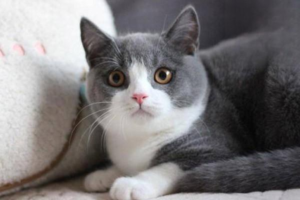
Feline Acute Pancreatitis: Symptoms and Care
Feline acute pancreatitis happens when pancreatic enzymes activate inside the gland and digest the organ itself, causing swelling, bleeding, or necrosis. Cats show vomiting, anorexia, dehydration, and abdominal pain, and are managed with fasting, antiemetics, pain control, fluids, and a low-fat diet.

Dog Has Diarrhea but Still Acts Fine — What’s Going On?
A dog with diarrhea but normal energy still needs the cause found — usually parasites, a reaction to new food, bacteria, a swallowed object, or a drug side effect. At home, rest the gut with a 12–24 hour fast (water only), then a bland boiled-meat-and-rice diet reintroduced slowly over four days, plus probiotics and fiber; see a vet if it persists or a chronic issue like kidney disease is suspected.

Why Is My Cat Having Diarrhea Again?
Diarrhea is loose or unformed stool from food moving too fast through the gut to absorb water and nutrients, and it can be acute or chronic. Causes range from infections, parasites, and diet changes to stress and underlying gut disease; at home, keep water available, feed small frequent easily digested meals, and use smectite or pet probiotics for mild cases — but see a vet for blood, fever, lethargy, or ongoing diarrhea in an unvaccinated cat.

Acute Pancreatitis in Cats and Dogs
Acute pancreatitis is self-digestion of the pancreas by its own enzymes, striking dogs far more often than cats and showing as sudden belly pain, shock, and peritonitis. Triggers range from bile-duct blockage and fatty meals to infections and certain drugs; treatment focuses on shutting down pancreatic secretion, controlling infection and pain, and correcting fluids — and the hemorrhagic form carries a guarded prognosis.

How to Recognize Acute Gastroenteritis in Dogs
Acute gastroenteritis shows up as soft, watery, sometimes bloody stool; a hunched back from abdominal pain; repeated vomiting; and, when a virus is involved, fever and lethargy. Get the dog to a vet promptly to rule out distemper, parvovirus, or coronavirus, then support with fasting, fluids, anti-emetics, and gut antibiotics.

What to Do When Cats and Dogs Have Diarrhea and Won’t Eat
When the weather turns cold, pets need more energy to stay warm, and while supplementing their nutrition it is equally important to pay attention to their gastrointestinal health. Diarrhea is a common digestive symptom in dogs and cats, and it is also a frequent ailment in dogs and cats during autumn and winter.

Cat Cystitis Complication: Acute Renal Failure
Cat cystitis has many complications — constipation, diarrhea, bloating, ulcers, pancreatitis, thrombosis, ascites, even bladder paralysis and enlargement. The most common is dehydration leading to renal failure.

Causes and Management of Diarrhea in Cats
Diarrhea in cats at home is something most owners have experienced.
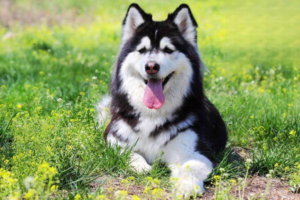
What Causes Diarrhea in Dogs
In our daily life, dog diarrhea is common. There are many causes; owners must not take it lightly, because diarrhea may signal other diseases, so find the specific cause for correct treatment. So how do dogs get diarrhea?