Search Results
395 results for “acute diarrhea”
My Teddy has enteritis. What should I do?
Enteritis is not the only cause of gut signs; rule out toxins, virus, bacteria, parasites, blockage and pancreatitis at a vet first. Acute and chronic forms need targeted care.

How to Tell If Your Chinchilla Is Sick
Chinchillas are subtle when unwell, so early signs are easy to miss. This guide shows what to check—eyes, anus, droppings, coat, teeth—and lists common illnesses (cold, heatstroke, enteritis, dental) with symptoms.

Benefits of Egg Yolk for Dogs
In moderation, egg yolk gives dogs a shinier coat, extra nutrition, brain support, and eye protection — but never raw, and never too much, or it can cause pancreatitis and obesity. Learn the benefits and the safe amounts.

What Causes Cat Pneumonia — and How Is It Treated?
Cat pneumonia starts with lung or bronchial inflammation, often triggered by dirty air, low immunity, a foreign body, a cold, allergy, or another disease (parvo, panleukopenia, kidney/heart). Acute cases show sudden fever and breathing trouble; chronic shows lasting cough and low appetite. Treatment is culture-guided antibiotics plus cough relief and fluids, with prevention focused on a clean, dry environment.
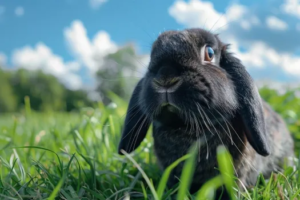
Preventing and Controlling Rabbit Colibacillosis
Rabbit colibacillosis (mucoid enteritis), caused by Escherichia coli, strikes weanling rabbits hardest with high death rates from watery, jelly-like diarrhea and dehydration. Prevention hinges on steady high-fiber feeding, clean dry housing, insect and rodent control, and feed-additive or vaccine prophylaxis.

Rabbit Mycotoxin Poisoning: Symptoms and Control
Mycotoxin poisoning in rabbits comes from moldy feed, peaks in hot humid summer, and hits lactating does hardest with no contagion and poor drug response. Acute signs are appetite loss, irregular stools, staggering, and death in 2 to 4 days. Prevent it with strict feed storage and anti-mold additives, and treat by stopping the moldy feed and giving glucose, vitamins, and antifungal drugs.
Preventing and Treating Rabbit Paratyphoid (Salmonellosis)
Rabbit paratyphoid (salmonellosis) is a zoonotic infection spread by contaminated feed and water, rodents, and flies; signs range from sudden death to diarrhea, wasting, and abortion in pregnant does. Control it by excluding vectors and vaccinating does, and treat with chloramphenicol, oxytetracycline, streptomycin, or sulfonamides.
My dog threw up a little food after dinner a week ago; I thought he had eaten too much and ignored it. Two hours later he suddenly vomited bright red, very watery blood. We rushed to the hospital for an X-ray, which ruled out a foreign object. CP L 223.75, amylase 471, lipase 71, creatinine 90.2, BUN 10.66, canine C-reactive protein 12.5. The vet said mild pancreatitis and gave an injection. On the third day an abdominal ultrasound showed an enlarged pancreas; CP L 88.48, amylase 456, lipase 62, creatinine 52.5, BUN 484, canine C-reactive protein 19.2. At first the dog had slight abdominal pain, the belly felt a bit hard but pressing caused no pain. No arched-back posture, appetite very good, stools normal, even a bit dry. No fever, very energetic. Now after stopping injections we feed small meals and a prescription diet, but every morning on an empty stomach he vomits thin brownish-yellow water, then is normal, with very good appetite and energy and normal stools. Do I need more tests?
Canine pancreatitis occurs when digestive enzymes secreted by the pancreas digest the pancreas itself and nearby organs due to inflammation, causing lesions. It has three types: acute, chronic, and relapsing. Its symptoms resemble acute gastroenteritis with vomiting, diarrhea, and abdominal pain. It is a complex, life-threatening disease; chronic pancreatitis is lifelong, so diet control and regular rechecks of pancreatitis markers are essential.
What happens if a dog smells perfume?
A dog's sense of smell is acute, and perfume can cause strong negative reactions. Alcohol in perfumes can cause breathing difficulty, eye and skin irritation, or poisoning; chemicals like toluene and phenol can cause itching and allergies.
My new dog arrived today, vomited three times after sugar water, and will not eat kibble; what is wrong?
A new dog vomiting and not eating may be a sick puppy from a market (distemper, parvo, corona) or parasites, or stress-induced acute gastritis. Fast half a day; if no more vomiting, give gut meds and probiotics, and see a vet if it worsens.