Search Results
27 results for “acclimation”

How to Choose and Introduce New Rabbit Breeding Stock
Choosing rabbit breeding stock means matching the breed to local conditions and market demand, sourcing from reputable farms rather than resellers, and preferring autumn transport with climate-matched animals. Pick healthy, high-yield stock and avoid old, sick, or weaned rabbits on long trips.
How do you disinfect and acclimate new fish before adding them to a tank?
Float the bag to match water temperature for 15-30 minutes, then slowly mix in tank water over several minutes to acclimate. Next, dip the fish in a 20 ppm potassium permanganate solution for 2-3 minutes to disinfect, observe for any reaction, then release it into the tank with 0.5% salt added to the water to reduce stress.

Turtle Species Suitable for Deep-Water Keeping
There are many kinds of turtles, some suit deep-water keeping and some prefer shallow water. Today our pet care specialists introduce some deep-water turtle breeds that do well in deep tanks. Deep-water turtle fans can read on.
How fast can a Dogo Argentino climb mountains?
The Dogo Argentino is a very large, athletic breed with high endurance and speed, well suited to physical activities like mountain climbing, running, and hunting. Climbing speed varies by size and condition; a healthy adult generally climbs at 5–8 km/h and can sustain it for hours. Note their build makes them less suited to endurance sports, so train stamina and acclimation first.
How Soon After Buying a Silver Arowana Can It Be Fed?
Feed a newly bought silver arowana about a week after adding it to the tank, once it has acclimated. Keep the environment stable meanwhile.
How long should new fish be acclimated before entering the tank?
Acclimate new fish for about 30 minutes before release. Float the bag to match temperature, then equalize water, to avoid shock from the new environment.

Dark Lory
The Dark Lory (also called the Duyvenbode's Lory) is a distinctive lory with about 3 color morphs in dark brown with red, orange, or yellow on the head and chest. Gregarious and noisy, it is active but aggressive toward other lories and needs a diet rich in nectar, insects, and fruit.

Edwards’s Fig Parrot
Edwards's Fig Parrot (Psittaculirostris edwardsii) is a larger fig parrot whose sex can be told from plumage—males have red chest and belly, females blue-purple. It lives in humid lowland forests and feeds mainly on figs, nectar, insects, and fruit, and is easier to breed than smaller fig parrots but has high chick mortality.

White-fronted Amazon
The White-fronted Amazon (Amazona albifrons) is a small parrot also known as the White-browed Amazon, native to Mexico and Central America. With its white forehead patch, lively nature, and strong chewing instinct, it makes a striking pet, though it is a moderately to very noisy species that needs dietary care during acclimation.
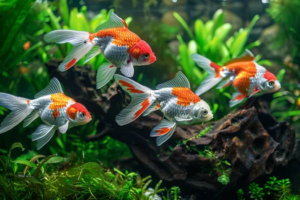
Common Diseases of Blood Parrot Fish and How to Treat Them
White spot, black spot, head-hole disease, and enteritis are all very common in blood parrot fish. To help owners respond better, here are treatments for each of these diseases.