Search Results
80 results for “Yellow bile”

Why Your Dog Throws Up Yellow Foam on an Empty Stomach in the Morning
A dog that vomits yellow bile each morning on an empty stomach is usually overproducing stomach acid from rich snacks, table scraps, or long fasting gaps. Feeding smaller, more frequent, easily digested meals in a calm setting and vet-approved acid reducers help. If vomiting persists after fasting or follows a virus or pancreatitis, see a veterinarian.

Why Is My Bichon Throwing Up Yellow Fluid?
Bichons have naturally sensitive stomachs, so yellow vomit is common. It usually means the dog gulped food and is protecting its gut, went too long without eating, or — if the fluid is foamy and frequent — is actually ill and needs a vet.

Telling a Cat Cold Apart from Feline Panleukopenia (Distemper)
A simple cat cold brings sneezing, runny nose, and a mild fever that often resolves in a few days. Feline panleukopenia (distemper) is far more dangerous: a high fever of 40–41°C, repeated vomiting of yellow bile, and bloody, foul-smelling diarrhea. Any sudden high fever should be treated as an emergency and checked by a vet immediately.

What the Symptoms of Puppy Vomiting Look Like
Vomit content tells the story: undigested food after a fast gobble is normal reflux, yellow bile means a short fast, but green or coffee-colored vomit signals bile or stomach bleeding and needs a vet. Add fever, blood, or lethargy and it may be distemper — get help fast.
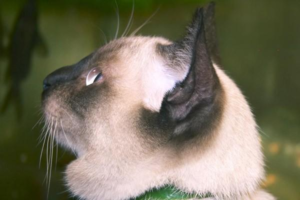
Six Common Types of Cat Vomit and What They Mean
Vomiting is one of the most common reasons cats visit the vet, and the appearance of the vomit often points to the cause. From yellow bile and hairballs to undigested food, parasites, blood, or swallowed objects, each type tells a different story. Learning to read what your cat brings up helps you decide when a diet tweak is enough and when it is time to rush to the clinic.

Symptoms and Treatment of Gastroenteritis in Dogs
Gastroenteritis is the general name for acute or chronic inflammation of the stomach and intestinal lining. Because dogs and cats are meat eaters, the causes are many, from bacteria, viruses, and parasites to drugs and bad food, so diagnosis must be precise. Most cases show on-and-off vomiting and diarrhea, with foam or yellow bile in the vomit. A vet should treat it early, with care centered on fasting, fluids, nutrition, and stopping the vomiting and diarrhea.
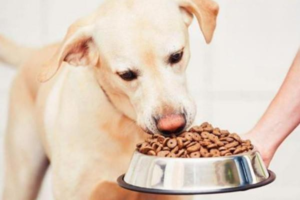
What to Do When a Dog Vomits and Won’t Eat
A dog that vomits and refuses food can have anything from a swallowed bone to a viral infection. Read the vomit — undigested food points to indigestion, yellow bile hints at a virus, and any other color may mean bleeding — and see a vet for the serious patterns.

Is Cat Vomiting a Sign of Illness?
Vomiting is often a cat's self-defense to expel something harmful, not automatically sickness, but the content tells the story: bile from empty stomach, hairballs, undigested food, parasites, or blood each point to different causes. Watch for lethargy and seek care if vomiting repeats.

How to Recognize Acute Gastroenteritis in Dogs
Acute gastroenteritis shows up as soft, watery, sometimes bloody stool; a hunched back from abdominal pain; repeated vomiting; and, when a virus is involved, fever and lethargy. Get the dog to a vet promptly to rule out distemper, parvovirus, or coronavirus, then support with fasting, fluids, anti-emetics, and gut antibiotics.

Acute Gastritis in Dogs and Cats: Symptoms, Treatment, and Prevention
Acute gastritis is sudden inflammation of the stomach lining in dogs and cats, causing vomiting and abdominal pain, especially in puppies. Most cases improve with veterinary care, fluid support, and temporary fasting.