Search Results
80 results for “Yellow bile”

Kitten Vomited After Overeating—What to Do
A kitten's stomach is small, so eating too much or too fast easily triggers vomiting. Start by resting the gut with a short fast—1–2 hours (never long for under-three-month kittens, who risk low blood sugar)—then offer tiny amounts of water and easily digested food, building back up over a day or two. Tell simple overeating from illness by the cat's spirit, and head to a vet for frequent, bloody, or weakness-causing vomiting.

Why Do Dogs Regurgitate and When to Worry
If a dog brings up undigested food and swallows it again while acting normal, that is simple regurgitation, a harmless reflex usually caused by eating too much, too fast or rich food. Feed measured, balanced meals on a schedule to cut it down. But regurgitation is not the same as vomiting; if it comes with low energy, no appetite, or persists, or if the material is yellow-green, coffee-colored or red, see a vet at once for possible blockage, organ or bleeding trouble.
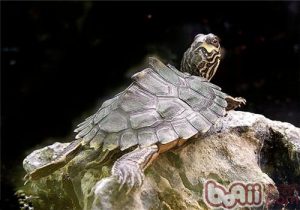
Graptemys pulchra (Alabama Map Turtle)
The Alabama map turtle resembles the red-eared slider in habits, with head striping and a protruding keel. Named for its map-like yellow markings, it feeds mainly on aquatic clams and snails, crushing shells with its hard jaws.

Copper Metabolism Disorders in Dogs and Cats
Copper metabolism disorders in dogs and cats include copper toxicity, acute shock or chronic liver disease with anemia and ascites, and copper deficiency, causing anemia, bone and joint disease, and faded coat color. They are managed by correcting dietary copper and treating liver disease.

Jaundice in Dogs and Cats
Jaundice is yellow discoloration of tissues from high blood bilirubin due to blocked pigment metabolism; it is a sign of liver, bile-duct, or hemolytic disease rather than a disease itself. Treatment targets the underlying cause and supports the liver.

Chronic Pancreatitis in Dogs and Cats
Chronic pancreatitis is a repeated or persistent pancreatic inflammation marked by recurring abdominal pain, fatty stools, and eventually high blood sugar or diabetes. Management uses a low-fat diet, pain control, and correction of enzyme or sugar imbalances.

Why Is My Dog Suddenly Vomiting?
There are many reasons a dog may vomit. The color of the vomit and what it contains each point to a different underlying condition. Below we have organized several vomit colors, ranked from mild to severe, to help you quickly tell what is going on with your dog. But whenever vomiting occurs, the first step is to withhold food and get your dog to the veterinarian as soon as possible during the golden window for treatment.

Diseases with Symptoms Similar to Feline Liver Failure
Liver failure is an abnormality that occurs when the liver is affected by impaired blood flow, reduced oxygen supply, hepatotoxic drugs or chemicals, excess heat, or infectious agents. Liver failure can occur in dogs and cats of all ages and breeds. It may affect multiple organ systems, including the liver and gallbladder, nervous system, gastrointestinal tract, and blood system. Affected pets may show various symptoms, including anorexia, lethargy, depression, vomiting, diarrhea, seizures, abdominal fluid accumulation, bleeding, and jaundice (yellowing of the skin).
Why Is My Dog Pooping White Stools?
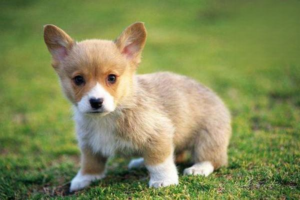
White or pale stools in dogs usually signal a digestive problem—most often gastroenteritis, though a grayish-white color can point to a blocked bile duct. Because stool color ranges from harmless to a sign of internal bleeding, a vet check is the safe move before symptoms are confirmed.

Why Is Your Dog’s Stool Green?
Green stool in dogs has several causes, from harmless to serious. Eating grass or green plants, overeating, indigestion, colitis, or gallbladder trouble can all tint the stool green through bilirubin oxidation. Occasional green stool from plants needs no treatment, but persistent or unexplained green stool warrants a vet check.
- « Previous
- 1
- …
- 6
- 7
- 8