Search Results
859 results for “W gene”

How to Reduce Shedding in a Pug
Pugs shed, but how much depends on daily care. Over-bathing, human shampoo, too little sunlight, and poor diet all make shedding worse, while regular brushing, good nutrition, and quick attention to skin trouble keep the coat under control.
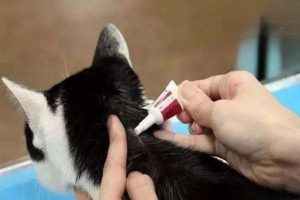
How to Tell If Your Cat Needs Deworming
Most internal parasites are invisible to the naked eye until an infestation is advanced, so routine deworming matters more than waiting for symptoms. Kittens need monthly protection and healthy adults every three months; a vet can confirm parasites from a stool sample under the microscope.

How to Tell If Your Cat Has Mites
The hallmark of a mite infestation is intense itching with irregular red patches and hair loss. Unlike ringworm's neat circular rings, mite damage looks blotchy and worsens the more your cat scratches, sometimes progressing to blisters and discharge.

How to Bathe and Deworm Your Cat
Regular deworming protects both your cat and your home. Plan on an internal dewormer every three months and an external one every month, and always bathe your cat before applying a topical product so the treatment can work.

Cat Has Smelly Yellow Diarrhea but Still Acts Normal
Smelly yellow diarrhea with normal energy usually points to diet—spoiled food, too-hard kibble, or toxins. Stress, overfeeding and chills also trigger it. Fast half a day, use a probiotic and keep the cat warm; persistent or toxic cases need a vet.
My dog is shedding heavily even though it’s not molting season — what’s going on?
Off-season heavy shedding in a Poodle is usually a skin condition — look for scabs, hair loss, itching, dandruff, redness, or rashes, treatable with a topical ointment on the affected area. If none of those signs are present, it may be a lack of trace nutrients or the natural molt, in which case supplementing vitamins and trace minerals helps.
Why has the skin above my dog’s nose turned red?
Redness above the nose is often a skin condition — a fungal infection or parasite bites — or simply a mosquito or insect bite. Check for rash, scabs, hair loss, flaking, red spots, or pyoderma; if present, it is a skin issue treatable with a vet-recommended topical ointment. If none and it was just a bug bite, it should clear in a couple of days.
My Toy Poodle keeps scratching all the time — what’s going on?
Constant scratching can break the skin and cause infection. Two causes: (1) parasites like fleas or lice — one external parasite treatment clears it; (2) a skin condition, showing red patches, scabs, dandruff, and redness — treat with a vet-recommended topical skin ointment after clipping the fur. Tell them apart by whether hair is lost at the spot; if unsure, ask an online vet.
My dog keeps sneezing with very short intervals — that counts as frequent sneezing, doesn’t it? Is it a cold?
Frequent sneezing often points to a cold — sneezing and a runny nose are early cold signs. To confirm, check for other symptoms (cough, low energy, reduced appetite, runny nose, rising temperature); two or three together suggest a cold. Treat with a vet-recommended canine cold medicine or a vet visit, promptly, to avoid worsening.
My dog’s body feels hot, like a fever. Where should I touch or measure to tell if it has a fever?
Feeling the dog with your hand and judging by heat is wrong. Use a thermometer under the armpit; 39.2°C or above confirms fever, below that is just warmth. Treat with a canine fever-reducing medication or a vet's fever shot after diagnosis.