Search Results
3800 results for “Vomiting”
Why Does Your Cat Keep Farting So Badly?
Cats are lovely, but why do their farts smell so bad? Frequent smelly gas can mean abnormal gut fermentation. Normally cats rarely fart and it isn't very smelly, so constant odor deserves attention. Here are the common causes.

Why Puppies Refuse to Eat: Common Causes
Puppies have weak digestion and often refuse food. The cause can be illness, picky eating, physiological anorexia (teething, estrus, pregnancy), indigestion, parasites, a sudden food change, digestive enzyme deficiency, or serious disease such as parvovirus or distemper. Match the sign to the cause and see a vet when other symptoms appear.

Causes and Treatment of Tonsillitis in Dogs
The most common cause of canine tonsillitis is a bacterial infection. If your dog's tonsils are inflamed, treat it promptly to stop the inflammation from worsening or turning into a secondary purulent infection. Here are the causes, symptoms, and treatments.
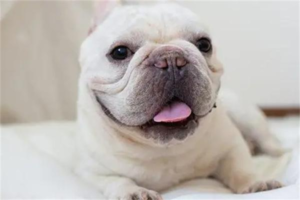
French Bulldog Heatstroke: Symptoms and What to Do
Heatstroke happens when a dog cannot regulate its body temperature in hot or humid conditions, causing dangerous overheating. As a short-nosed breed, French Bulldogs are especially prone to heat stress and breathing difficulty. An affected dog runs a temperature above 40°C with rapid breathing, red membranes, dry mouth, tongue extension, foaming, and even collapse — move it to shade, give water and electrolytes, and apply ice to the armpits, belly, and neck to cool it down.
How long after parvovirus infection does a dog show symptoms?
A dog usually shows symptoms 1-2 weeks after parvovirus infection. The virus has a 3-14 day incubation with no signs and cannot be tested then. Early signs are vomiting, diarrhea, fever, and appetite loss; take it to a vet promptly, since earlier treatment means a better cure chance.
How long should a dog with diarrhea be fasted?
For severe diarrhea, fast 24 hours. Mild diarrhea needs no fasting; give some probiotics to regulate the gut. Frequent diarrhea with poor spirits suggests a 24-hour fast while watching closely; if no improvement or vomiting/fever appears, consult a vet promptly.
How long does it take a dog to recover from coronavirus?
Coronavirus treatment is generally 5-7 days, depending on the dog's resistance and drug effect. Typical signs are vomiting and diarrhea, but gut damage is usually small and the cure rate is high. Treatment is antiviral, controlling secondary infection, anti-vomit, and fluids; usually recovers in about 7 days.
I bought a cat from the market; it has had no appetite and looks lethargic, sleeping from morning to night. How can I tell if the cat is sick?
Cats hide illness well, so judge by: 1) sleep time - sick cats are more sleepy; if no other signs, keep watching, but two days of low spirits suggests illness. 2) Temperature - fever shows appetite loss, sleepiness, very dry nose, hot ears. 3) Less grooming, curling, or 'hen-squat' are signs. 4) Watch diet, stool, urine, and signs like vomiting, retching, cough, runny nose; if any, it is sick and needs a vet.
What happens if a dog eats chestnuts?
A small amount of chestnuts is usually fine, but too many can cause indigestion or poisoning. Chestnuts are high in crude fiber and starch, causing indigestion, diarrhea, vomiting if excessive. They also contain tannic acid, which in excess causes thirst, dry mouth, vomiting, diarrhea, even kidney damage. Swallowing the shell or inner skin may cause choking and needs prompt care.
What happens if a dog swallows its own hair?
Swallowing its own hair can cause gut problems like blockage, vomiting, and diarrhea. Hair can form hairballs in the stomach; large or many may cause indigestion, constipation, even surgery. Long or hard hair may pierce the gut or stomach wall, causing internal bleeding. Brush regularly and feed high-fiber food to help pass hair.