Search Results
3800 results for “Vomiting”

How to Fix a Cat’s Low Appetite
A cat eats less during heat, when bored of the same food, when picky, in hot weather, or with mild indigestion. Bring appetite back with scheduled measured meals, short fasting, a gradual switch to tastier food (warmed to release aroma), a little probiotic, and cooling the room in summer.

What Are the Symptoms and Causes of Cat Allergies?
Cat allergies usually cause intense itching and skin damage, plus redness, swelling, and sometimes sneezing or even anaphylactic shock. Common triggers are food, drugs, parasite saliva (fleas, mites), and airborne allergens like pollen and dust. Find and remove the cause, and see a vet for severe reactions.

My Dog Got Diarrhea After Probiotics — Is the Probiotic Bad?
Probiotics relieve diarrhea slowly, so if a dog gets loose stools after them, check the diet first, then rule out an active gut disease like parvovirus. The probiotic itself may be the wrong strain, counterfeit, or clashing with antibiotics taken too close together. Give probiotics with warm water and keep them 1–2 hours from other meds.

How to Feed a Newly Weaned Puppy: Tips and Precautions
Newly weaned puppies need special feeding and care because their bodies and immune systems are fragile. Poor diet or daily management can cause poor development or gut, respiratory and parasite infections. Here are feeding methods and precautions.

Symptoms of Hookworm Infection in Dogs
Mild hookworm infection often shows no clear signs — mainly weight loss, pica and poor digestion. Severe cases bring pale mucous membranes, reduced appetite, vomiting, thin coat, arched back and even bloody stool. This article details canine hookworm disease.
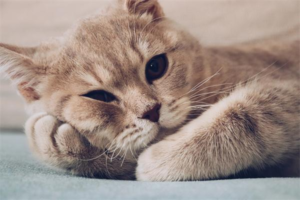
Why Is My Cat Licking Its Lips?
A cat licking its lips may just be grooming after a meal, but it can also signal stress, mouth pain, nausea, dry mouth, or an upper respiratory problem. Watch for drooling, bad breath, or frequent licking, and see a vet if anything seems off.

Preventing and Treating Feline Steatitis (Yellow Fat Disease)
Feline steatitis, also called yellow fat disease, is a metabolic disorder usually from too much unsaturated fat and vitamin E deficiency in the diet. This article explains it.

How Many Meals a Day Should a Dog Eat by Age
Feed by age: puppies need four small meals a day, tapering as they grow; adults do best with two meals for better digestion and weight control; seniors (7+ for small and medium breeds, 5+ for large) need at least two, or three to four if frail. Keep the bowl from overflowing to avoid guarding, bloat, and obesity.

Feline Hepatic Lipidosis: Causes and Treatment
Fatty liver, also called hepatic lipidosis, is an endocrine disorder from impaired liver cells. In cats it's often triggered by anorexia, obesity, or stress. This article details it.

Why Is My Cat Thin and Unable to Gain Weight?
If a cat eats normally but stays thin, take note — it may be sick. Common causes are internal parasites that steal nutrients, poor gut absorption, high activity (common in kittens), or low-quality grain-heavy kibble. Switch gradually to a nutritious, palatable food, and if weight keeps dropping, see a vet, since diet alone won't fix an underlying problem.