Search Results
2436 results for “Vitamin B”

Why Dogs Itch and How to Treat It
Itching can come from allergies, weather, bedding, diet, nerves, or internal disease — and once parasites are ruled out, corticosteroids often calm it fastest. Find and remove the trigger (switch shampoo, fix diet, control fleas) and see a vet for whole-body or unexplained itching.

What Causes Scab Disease in Turtles?
Turtle scab disease starts when an injury lets bacteria — usually Aeromonas hydrophila — into the skin, so prevention hinges on clean water and avoiding scrapes. Infected turtles develop white scabs on the neck, limbs, and head that can rupture and spread; early cases are curable by squeezing out the lesions, disinfecting, and applying antibiotic ointment.

Do Hamsters Like Sunlight, and How Should You Let Them Sunbathe?
Hamsters are nocturnal burrowers that enjoy a little gentle sun but must never be left in harsh direct light or for long — doing so risks eye damage, heatstroke, and a ruined sleep cycle. Offer brief, shaded sunbathing in the cooler part of the day, keep it under an hour, and skip it for very young hamsters.
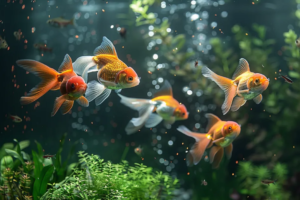
How Often Should You Feed Guppies, and What Keeps Them Healthy?
Guppy feeding frequency depends on age: tiny fry need 3–4 small meals a day, month-old juveniles 2–3, and near-adult fish 1–2, always with only what they finish in a few minutes to protect water quality. Diets shift from crushed egg yolk and brine shrimp for fry to balanced flakes for adults, with cooked vegetables as a supplement.
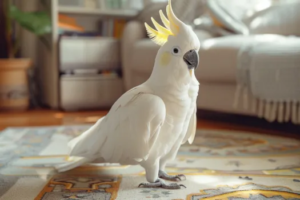
What to Do When Blood Parrot Cichlids Fight and Lose Scales, Exposing Flesh
When blood parrot cichlids fight, they tear off scales and can expose raw flesh, which invites infection. Isolate the injured fish and treat it with a 2–3% salt bath plus antibacterial or 'yellow powder' medication, keep the water at 28–30°C, and change it every three days. To stop the fighting, give more space, feed more, or separate the bullies.

What to Do When Your Cat Has Hard, Dry Stools
Hard, dry stools usually come from a too-dry diet and too little water, and left alone they harm digestion. Fix them by adding vegetables and fruit, coaxing more water (a drop of honey helps), topping up vitamins, varying the diet beyond one kibble, clearing hairballs, and adding gut probiotics.

Is My Cat’s Drooling a Sign of Hypersalivation (Ptyalism)?
Frequent drooling isn't automatically hypersalivation (ptyalism)—that condition brings uncontrolled salivation soiling the front, plus rapid weight loss, and usually arises from oral disease, systemic illness, or poisoning. Causes range from mouth inflammation and stress to spoiled food and weak immunity. Keep cats off rotten food and well-nourished to lower the risk.

What to Feed a Cat With Poor Appetite
When a cat loses appetite, first find the cause of the poor appetite so you can treat it accordingly and restore the cat's appetite. If ignored, the cat will gradually lose weight, affecting its health.

What to Feed an Anemic Cat to Build Blood
When a cat is anemic, choose suitable cat food and meat, feed blood-building paste, and supplement appropriate nutrition when giving vegetables and fruits.

Symptoms and Treatment of Dog Concussion
A dog concussion refers to a brief brain dysfunction that occurs immediately after the head suffers a blow. Clinical manifestations include brief coma, recent memory loss, and symptoms such as headache, nausea, and vomiting, with no positive signs on neurological examination. It is the mildest type of brain injury and is mostly curable after treatment.