Search Results
2436 results for “Vitamin B”

Why Rabbits Lose Fur
Rabbit fur loss usually points to poor nutrition, mange mites, ringworm, or bacterial skin disease — each with its own treatment, from mineral supplements to antiparasitics and antifungals. Clear away loose fur and check feed for trapped hair so the rabbit doesn't swallow it.

Is It Normal for a Cat to Keep Throwing Up Hairballs?
Cats swallow fur while grooming, and vomiting the resulting hairball is normal — but constant hacking risks hairball syndrome, a gut-blocking mass. Ease it with cat grass, hairball paste, or a little cod-liver oil, and brush often to limit swallowed fur.
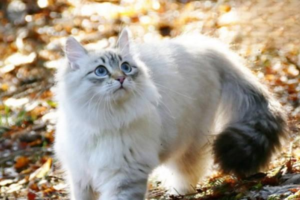
Why a Cat Still Has Blood in Its Stool After Probiotics
Blood in a cat's stool usually means intestinal parasites or gastroenteritis (often feline coronavirus), not a probiotic deficiency. Deworm and sanitize for parasites; use an anti-diarrheal plus probiotics for gut inflammation. If bleeding persists despite a quality live probiotic, the case is too severe for probiotics alone.
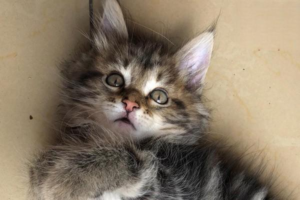
Symptoms and Treatment of Feline Obesity
Feline obesity shows as a bulging belly, hard-to-feel ribs, splayed sitting posture, and sluggish movement; diagnosis is 15–30% over ideal weight. Treat with portion control (60% of maintenance, high-protein, small meals), more exercise, and underlying-cause work — never crash-diet.

Three Steps to Handle Dog Ear Mites
Dog ear mites need prompt care or they lead to otitis and hearing loss. Clean the outer ear, apply an anti-mite ear solution, isolate the dog and disinfect the home, and prevent recurrence with regular checks and dry ears.

What Causes Bladder and Urethral Stones in Dogs?
Bladder and urethral stones are common in middle-aged and senior dogs, especially males, and link to a single-protein diet, vitamin A deficiency, low water intake, urinary infection, and anatomy. Severe cases need surgery to remove the stones, while prevention focuses on balanced diet, fresh water, and regular exercise.

How Canine Infectious Hepatitis Spreads and How to Prevent It
Canine infectious hepatitis spreads through the saliva, urine, and feces of sick or recovered carrier dogs — the virus survives in the environment for 6–9 months, with unvaccinated puppies at highest risk. Vaccination from 45 days of age plus strict hygiene and isolation are the keys to prevention.

Causes and Treatment of Fungal Skin Infection in Dogs
Canine dermatophytosis is a zoonotic fungal infection driven by climate, weak condition, and long-term steroids, with Microsporum canis the top culprit. It shows as round scaly patches and needs topical or oral antifungals plus isolation, since it spreads to people and other pets.

Does the English Springer Spaniel Shed? How to Manage It
Every coated dog sheds to some degree, and Springers shed seasonally in spring and autumn — daily brushing during those periods keeps the hair under control. Check for hidden skin trouble, use a good brush and dog shampoo, and avoid excess salt and human soap to limit shedding.

Symptoms and Treatment of Kidney Failure in Dogs
Chronic kidney failure is common in older dogs and is the late stage of kidney disease, usually ending in uremic syndrome. It can't be cured, but medication, a kidney prescription diet, and managed fluids can add months or years of quality life, so senior dogs need regular checks.