Search Results
2444 results for “Vitamin B”
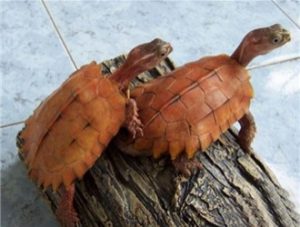
Black-breasted Leaf Turtle
A tiny, leaf-shaped turtle from southern China and Southeast Asia, famous for its golden carapace with twelve keels and notorious for being one of the hardest chelonians to keep.

Canine and Feline Spinal Cord Tumors
Spinal cord tumors in dogs and cats produce signs based on where they compress the cord, ranging from limb weakness to paralysis and loss of bladder control. German Shepherds and young to middle-aged dogs are commonly affected, with tumors often located between the 10th thoracic and 3rd lumbar vertebrae.
Can Povidone-Iodine Cure Cat Ringworm?
Povidone-iodine has broad antimicrobial action but does not reliably kill the fungi that cause ringworm, so it is only a supportive measure. True antifungals, either topical or veterinary-directed oral azole medication for severe cases, remain the main treatment.

Home Care for Cat Ringworm: Practical, Low-Cost Treatment
Ringworm, or dermatophytosis, is a fungal skin infection in cats caused mainly by Microsporum canis. Mild cases respond to topical antifungals, B-vitamin support, sunlight, and environmental disinfection, while widespread disease needs medicated baths and veterinary-directed oral antifungals.

Skin Disease in Collies and Other Herding Breeds: Why Medication Must Be Chosen Carefully
Collies and related herding breeds often carry an MDR1 gene mutation that prevents normal drug clearance, making them dangerously sensitive to certain parasiticides such as ivermectin. Skin problems are treated as in any dog, but parasite control and other medications must be chosen with a veterinarian to avoid toxicity.

Canine and Feline Eosinophilic Granuloma
Eosinophilic granuloma is an inflammatory skin and lip lesion seen mainly in cats, starting as a small smooth depression on the upper lip and spreading into a thickened, ulcerated, red swelling. It is managed with anti-inflammatory and immune-modulating therapy rather than surgery.

Acanthosis Nigricans (Black Skin Disease) in Dogs and Cats: Symptoms, Treatment, and Care
Acanthosis nigricans is a skin syndrome of itching and friction leading to thickened, darkened skin, seen mainly in certain dog breeds. Causes include allergy, hormonal imbalance, and obesity, and care combines itch relief, diet, and anti-seborrheic care.

Hair Loss (Alopecia) in Dogs and Cats: Symptoms, Causes, and Care
Hair loss in dogs and cats ranges from localized patches due to friction or harsh shampoos to generalized shedding from parasites, fungus, or endocrine disease such as hypothyroidism. Identifying the cause guides the right treatment.

Canine and Feline Dermatitis: Symptoms, Treatment, and Prevention
Dermatitis is inflammation of the skin in dogs and cats from parasites, allergy, infection, or trauma, causing itch, swelling, and crusting. Treatment removes the cause and controls inflammation locally and systemically.

Canine and Feline Eczema (Moist Dermatitis): Symptoms, Treatment, and Prevention
Eczema is a superficial skin inflammation in dogs and cats driven by allergy and weak skin defense, producing redness, vesicles, hair loss, and crusting. It is managed by relieving itch, calming inflammation, and keeping the environment clean.