Search Results
2444 results for “Vitamin B”

Interdigital Cysts in Dogs and Cats: Symptoms, Treatment, and Prevention
Interdigital cysts (interdigital furunculosis) are a chronic inflammatory skin condition of the paws, not true cysts, starting as small papules between the toes that enlarge, suppurate, and form nodules causing pain, lameness, and licking. Antibacterial care controls it; stubborn cases need surgical removal of the web.

Torticollis in Dogs and Cats: Symptoms, Treatment, and Prevention
Torticollis is a head tilt or twist from neck-muscle spasm or paralysis, cervical rheumatism, vertebral dislocation or fracture, neuritis, or ligament injury - often after a fall, blow, or tight collar. Ear infection can also cause it. Treatment targets the underlying cause, with rest, pain relief, and, for fractures, cervical stabilization.

Multiple Cartilaginous Exostoses in Dogs and Cats: Symptoms, Treatment, and Prevention
Multiple cartilaginous exostoses (multiple osteochondromas) are benign bony outgrowths that can appear on the spine, ribs, and long bones of young dogs and cats, possibly inherited. They are painless until they press on a tendon, vessel, or nerve, causing lameness, pain, or incoordination; otherwise no treatment is needed, but symptomatic ones are removed surgically.

Intervertebral Disc Disease in Dogs and Cats: Symptoms, Treatment, and Prevention
Intervertebral disc disease occurs when a degenerating disc bulges or ruptures and presses on the spinal cord, causing pain, numbness, and movement loss. It favors the thoracolumbar (about 85%) and cervical (about 15%) spine in small or chondrodystrophic dogs. Conservative rest and anti-inflammatories help mild cases; severe ones need decompressive surgery.

Lumbar Sprain in Dogs and Cats: Symptoms, Treatment, and Prevention
A lumbar sprain is injury to the lower-back muscles, ligaments, and spinal joints from sudden over-contraction or trauma, most common in small breeds and pets with rickets or nutritional deficiency. Signs range from a stiff arched back and weak hind limbs to, in severe cases, paralysis and loss of bowel or bladder control. Prompt rest and veterinary care prevent lasting nerve damage.

Osteochondrosis and Osteochondritis Dissecans in Dogs and Cats: Symptoms, Treatment, and Prevention
Osteochondrosis is a disturbance of cartilage-to-bone conversion in the growing ends of long bones, and when cartilage separates it forms osteochondritis dissecans (OCD). It affects fast-growing large breeds, causing gradually worsening lameness and joint pain, and can lead to degenerative joint disease if untreated. Early surgery gives the best outcome.

Hypertrophic Osteodystrophy in Dogs and Cats: Symptoms, Treatment, and Prevention
Hypertrophic osteodystrophy (metaphyseal osteopathy) is a bone-growth disorder of the active growing ends of long bones in young, rapidly growing large-breed dogs. It causes symmetric swelling, heat, and pain over the metaphyses with lameness, fever, and lethargy, and is managed with pain control, infection prevention, and nutrition.

Fractures in Dogs and Cats
A fracture is a break in bone or cartilage from force such as a car hit or fall, and often damages nearby soft tissue. Signs include deformity, pain, and lameness; severe cases can paralyze. Veterinary resetting and fixation, plus rest, are the mainstays of healing.
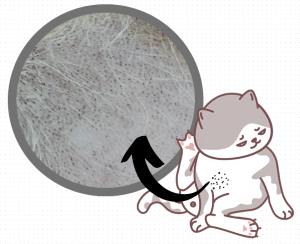
Black Dots on Your Cat’s Skin: Folliculitis, or ‘Black Chin’ and ‘Stud Tail’
Black dots on a cat's skin are usually the early sign of folliculitis, like blackheads, driven by excess sebum, blocked follicles, and bacterial infection. On the chin it is called black chin, and on the tail stud tail or oily tail, both managed with gentle localized cleaning and diet adjustments.

Sulfonamide Antibiotic Poisoning in Dogs and Cats
Sulfonamide antibiotics can poison sensitive pets or when overused, causing nervous signs, urinary crystal problems and blood-cell disorders such as anaemia. Stopping the drug, flushing the urine and supportive care are the main steps.