Search Results
2444 results for “Vitamin B”

Reading CoQ10 Test Data: What ‘Proven’ Should Mean
With so many CoQ10 products making bold claims, the only fair way to choose is to ask three questions: are the ingredients safe, is the content sufficient, and is there authoritative data behind the effect? This guide explains what genuinely 'proven' looks like, what a deeper formula contains, and why the right physical form matters as much as the formula for real-world feeding.

Signs of Pregnancy in Guinea Pigs
A pregnant guinea pig stops going into heat and avoids the male. Appetite and belly size grow, the mammary glands swell as milk production prepares, and in late pregnancy the abdomen is obvious and movement slows. Because guinea pigs are small, signs are subtler than in larger mammals. Confirm with a vet if you suspect pregnancy. During gestation, feed high-quality hay and pellets with enough protein, vitamin C, and calcium; keep the space quiet, dry, and warm; watch weight and behavior; limit stress; and stay in touch with a vet for prenatal checks.
Choosing a Pet CoQ10: Skip the Hype, Pick What Works
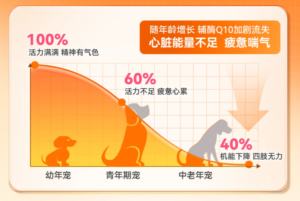
As pets reach middle and old age, heart care becomes unavoidable — especially for overweight cats and dogs and for breeds prone to heart disease such as Siamese and Ragdoll cats, Toy Poodles, Pomeranians, and Cavalier King Charles Spaniels. CoQ10 is a core heart nutrient and appears in veterinary cardiac plans, but the crowded market makes choosing hard. This guide explains what CoQ10 does and the three points that separate a working product from a hype-driven one.

Dog CoQ10 Industry Reality: What ‘Reliable’ Really Means
CoQ10 is a legitimate heart-support nutrient, but the category is clouded by unclear labeling and inconsistent content. In some markets CoQ10 is not yet an approved pet-feed ingredient, so packages often cannot state it outright, while listings still promise 'high content' with no verifiable amount. This guide explains the transparency problem, the dosing that actually matters, and how to recognize a product that is genuinely reliable.
Dog CoQ10 Safety: Three Traps to Avoid When Buying
With CoQ10, 'has some in it' is not the same as 'works,' and 'is CoQ10' is not the same as 'safe.' Many owners shop by headline number and price while missing the safety basics, then feed a product that adds burden rather than benefit. This guide walks through three common traps — questionable raw materials, misleading labels, and harmful additives — and what a genuinely safe dog CoQ10 formula should look like.

Dog CoQ10 Buyer’s Guide: What Actually Makes a Product Work
CoQ10 supports heart-muscle energy and acts as an antioxidant, but a dog only benefits if the supplement actually contains a real, absorbable dose. With products ranging from a few dollars to several hundred and quality all over the map, the smart move is to judge a product by its label and testing — not by marketing or country of origin. This guide explains how to tell a working formula from an empty one and which dogs are most likely to need it.

Why Your Cat Keeps Getting Thinner
A cat that keeps losing weight can signal parasites, poor diet, stress, aging, or underlying disease. Worms such as roundworms and tapeworms steal nutrients; stale or unappealing food lowers appetite; household changes or an owner's absence cause stress; and digestive, liver, or kidney disease blocks normal nutrient uptake. Older cats naturally eat less as metabolism slows. Have a vet identify the cause, then offer high-protein, high-fat food in small frequent meals, add supplements, and keep a regular deworming schedule to help your cat regain condition safely.

Dog CoQ10 Supplements: How to Avoid Empty ‘Placebo’ Products
Not every CoQ10 supplement for dogs actually contains what the label implies. Independent testing has found products that list CoQ10 vaguely, overstate the amount, or contain little that is detectable — so paying a premium does not guarantee a working product. The good news is that a few simple label checks let you tell a genuine, well-absorbed formula from an expensive placebo before you buy.

CoQ10 for Pets: What It Is and How to Choose a Quality Supplement
Coenzyme Q10 (CoQ10) is a fat-soluble compound that helps cells produce energy, and it is concentrated in the heart, kidneys, liver, and brain. As cats and dogs age, their ability to make CoQ10 declines, which is why it is often discussed as a heart-support supplement. This guide explains what CoQ10 does, which pets are most likely to benefit, how to judge a supplement's real quality, and practical feeding tips — so you can make an informed choice instead of relying on marketing claims.

What Deficiency Causes Pica in Rabbits
Rabbit pica can stem from lacking trace elements such as zinc, iron, manganese, iodine, and selenium, plus calcium, phosphorus, and fiber. A varied, balanced diet of hays, pellets, fresh vegetables, and water covers these needs. Pica can also reflect missing chew outlets, boredom, too little exercise, or anxiety, so environment and mood matter too. If diet correction does not help, a vet check is wise.