Search Results
2444 results for “Vitamin B”
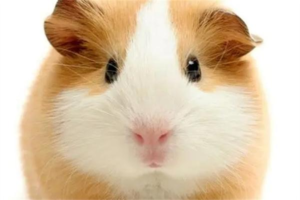
What to Know Before Getting a Guinea Pig
Guinea pigs are sweet and fairly easy, yet new owners often hit problems that, with poor management, can turn fatal. Before bringing one home, be sure you can commit to its whole life, then learn its habits and needs. Keep them in groups of the same sex, feed pellets with fresh vegetables and hay, choose safe aspen or maple bedding, clean the cage weekly, place it away from bedrooms because of loud squeals, rule out allergies, and schedule regular vet checks.
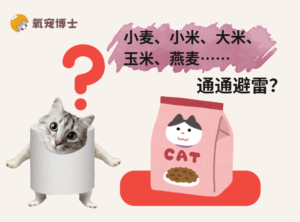
Is Grain in Cat Food Always a Dealbreaker?
Grain in cat food is not automatically a reason to reject it. Grains supply fiber, vitamins, and minerals, and most cats digest these carbs fine, so there's no need to fear them. While gluten grains carry a higher allergy risk than potato or tapioca, grain allergy is far less common than allergy to beef, dairy, or chicken. Because cats are carnivores with limited amylase, though, lower grain content is better—and a few cats should skip grains entirely.

Can a Guinea Pig Cold Heal on Its Own?
A guinea pig cold rarely clears by itself. Unlike a human cold, it comes from different pathogens and the animal's immune defense is weak, so treatment is usually needed to ease signs and aid recovery. Symptoms are sneezing, clear nasal discharge, more eye discharge, lost appetite, and low spirits. See a vet early for diagnosis and the right antibiotics or supportive care; keep the cage warm and clean, offer vitamin-C-rich easy food, and ensure fresh water. Never medicate on your own, as wrong drugs can harm the pig.
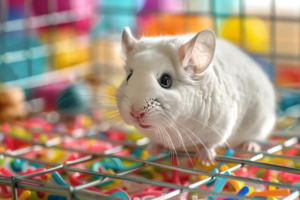
Can Hamsters Get Diabetes?
Hamsters can and do get diabetes, and it is not rare. Like in people, the direct cause is too little insulin, and obese hamsters and dwarf breeds are most at risk. Signs are overeating, heavy drinking, more urine with a strong smell, weight swings, tiredness, mood swings, and in severe cases unsteady walking or coma. Diabetes cannot be cured, so strict sugar control with high-protein, high-fiber, low-fat, low-sugar food is vital; dwarf hamsters should avoid all sweets. Keep them active to prevent obesity.

Why Do Guinea Pigs Eat Their Own Droppings?
Guinea pigs eating their droppings is normal, since the stools still hold nutrients they reabsorb, and the process also supplies probiotics. Still, it is best to discourage it. Control portions so food is fully digested and fewer nutritious stools are passed, and clean the cage right after they defecate to remove the chance. Feed a balanced mix of pellets, hay, greens, and fruit, and note guinea pigs cannot make their own vitamin C, so include vitamin-C sources daily.

Dog CoQ10 and Heart Disease: What the Research Points To
Clinical data puts heart-disease incidence in dogs aged 5–8 at around 10%, and early signs—frequent panting, coughing, poor appetite—can progress to pulmonary edema, thrombosis, or kidney strain. CoQ10 fuels the heart muscle and may slow heart failure and hypertrophy, but products vary widely. Knowing what a sound formula looks like helps you choose past the marketing.

Dog CoQ10 Shopping: Four Checks Before You Buy
CoQ10 supports heart-muscle energy, acts as an antioxidant, and helps with stamina, so it is on many senior and small-breed dog owners' radar. But the market is crowded with weak, vaguely labeled products. Before you buy, check four things: real labeled potency, a combined formula, good absorption, and easy, safe feeding. Here is how to read a label and pick a supplement that actually delivers.

CoQ10 for Senior Dogs and Cats: Spotting the Signs and Picking a Reliable Supplement
As pets age, their liver makes less CoQ10, and the heart—which has the highest energy demand in the body—feels it first. CoQ10 helps power heart-muscle cells and limit oxidative stress, so a shortfall can show up as tiredness, coughing, or faster breathing. Knowing the warning signs and what a well-built formula contains helps you choose a supplement that actually supports your senior dog or cat.

Cat CoQ10 Buyer’s Guide: Reading Labels and Avoiding the Pitfalls
Roughly 15% of cats develop some form of heart disease, with seniors, flat-faced breeds, Ragdolls, and overweight or inactive cats at higher risk. CoQ10 supports cellular energy in heart muscle, but natural production drops as cats age. When choosing a supplement, the smart move is to read the label and judge the formula—not the marketing. This guide breaks down what to look for and the common traps to avoid.
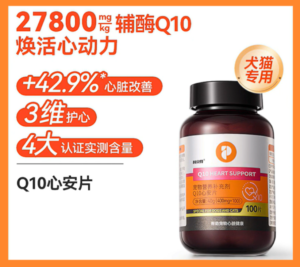
Cat CoQ10 Clinical Evidence: What a Real Comparison Shows
For high-risk breeds such as British and American Shorthair and Maine Coon cats, plus seniors, obese cats, and stress-prone cats, CoQ10 is a key heart nutrient — it supplies energy, fights oxidation, eases fatigue, and supports the heart against enlargement, exercise intolerance, and wheezing. But the category is uneven, and 'high content' claims mean little without proof. This guide explains the four points that matter, why palatability is a heart issue, and who should supplement.