Search Results
2444 results for “Vitamin B”

Clear Signs of Aging in Guinea Pigs
Aging in guinea pigs is easy to spot: loose skin, dull and thinning coat, heavy shedding, and slow walking. They live about 5 to 8 years and enter old age after 5, when body function and immunity fade and illness becomes more likely. Hearing, sight, and digestion weaken, so clear cage obstacles and adjust the diet. Seniors lose calcium and easily cramp or fracture, and their bite weakens, needing softer food and regular tooth trims plus extra vitamins.

Why Does a Golden Retriever’s Nose Lose Color?
A Golden Retriever's nose can fade for many reasons: too little sunlight, cold weather, aging, genetics, poor nutrition, allergy, or a past injury. Cold-season and genetic fading are normal and need no action, and senior dogs simply show natural aging. But if fading comes from lack of vitamins and minerals or from allergy, step in to prevent bigger problems. Provide sun time, a balanced high-quality diet, and see a vet if allergy is suspected.
What do soft-shelled turtles (bastard turtles) eat?
They love small fish, shrimp, offal, snails, aquatic insects, tadpoles, plus some veggies; use formulated feed in bulk and clean leftover food.
How many blueberries can a dog eat per day?
About 10 for a 10kg adult; fewer for small or sensitive dogs. Rich in antioxidants but don't overfeed - it upsets sensitive stomachs.
Can hamsters eat cucumber?
Yes, in small amounts - it adds vitamins for a shinier coat. Limit to a small piece, ~3 times a week, to avoid diarrhea.
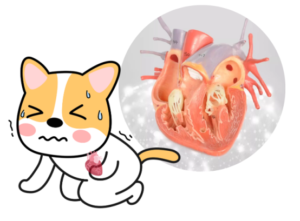
Pet CoQ10 Red/Black List Thinking: Reading the Test Data
About 10% of dogs and 7% of cats develop heart disease in their lifetime, and the early signs are easy to mistake for normal aging or a cold — until diagnosis, when the damage is often irreversible. CoQ10 is frequently advised, but 'which one' is the hard part. This guide separates the real science from the marketing: what CoQ10 actually does, the drug it cannot replace, and the four hard metrics a product should meet.

Dog CoQ10: Test Data Beats the Hype
CoQ10 is a supplement, not a drug — it fuels the heart, fights oxidation, and slows myocardial aging, but it cannot replace medication for heart disease. For an 8-year-old dog that pants on walks and coughs at night, the first step is a vet, not a bottle. There is no single 'most reliable' brand, but a few practical checks separate a working product from an expensive guess. This guide lays them out.

What to Do When Your Guinea Pig Has a Cold
Guinea pig colds usually come from temperature drops or cold exposure, such as big day-night swings, sudden seasonal cooling, or chills after a bath, and weak immunity raises the risk. Signs include sneezing, clear runny nose, cough or wheeze, lethargy with poor appetite, and fever above 40°C. See a vet early for diagnosis and a plan, keep the home quiet, warm, dry, and clean, and skip baths while sick. Offer mild herbal dried grasses like chamomile or mint and a little vitamin C liquid to support immunity, using any medication only per veterinary guidance.

Symptoms of a Cold in Guinea Pigs
A cold in guinea pigs often brings sneezing, clear nasal discharge, labored breathing, red or weepy eyes, a sore throat with coughing, lowered activity, and sometimes poor appetite when breathing or fever is affected. Give a warm, dry home with plenty of food and water and extra vitamin C. Keep the cage clean by washing bowls and changing bedding to limit bacteria. For severe or lingering cases, see a vet rather than self-medicating, since the right treatment depends on the exact condition.

Safe Dog CoQ10: What the Research and Labels Tell You
CoQ10 appears in veterinary cardiac plans for mitral valve disease, dilated cardiomyopathy, and senior heart decline, and the research behind it is real — not a fad. A 2021 study found dogs with mitral valve disease in heart failure had significantly less heart-muscle CoQ10 than healthy dogs, and a 2022 randomized trial showed supplementation improved oxidative-stress and contraction markers with no adverse effects. The catch is that the benefit only appears when the product is safe, dog-appropriate, and correctly dosed. This guide explains how to read the label and the form.