Search Results
3206 results for “Temperature”

Which Ornamental Fish Can Live in Cold Water?
If heating the tank feels like a hassle, choose coldwater fish. Good options include the white cloud mountain minnow, comet goldfish, paradise fish, medaka, goby, bitterling, hillstream loach, and koi — most thrive between 5 and 30°C without a heater, though very low temperatures can dull their color.
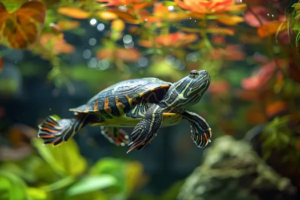
Common Reasons a Turtle Won’t Eat and How to Respond
Unpalatable food, unfamiliar surroundings, low water temperature, and gastroenteritis can all make a turtle stop eating. Turtles hibernate: appetite peaks at 24–28°C and drops as temperature falls; below 15°C they enter hibernation and stop eating. For aquatic and semi-aquatic turtles, water depth also matters—too shallow and they may refuse food; keep water at least covering the shell.

Common Diseases of Ornamental Fish
Scale loss, fin rot, fin congestion, saprolegniasis (cotton fungus), and cloudy eye are common ornamental fish diseases. Even careful keepers can't fully prevent them, so observe fish daily for early signs. Most sick fish show reduced appetite and activity; act on these promptly. Keep water clean, since fouled water easily causes illness.
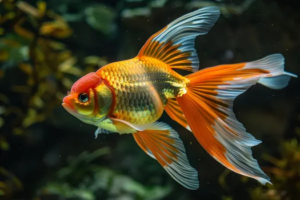
How to Improve the Survival Rate of Ornamental Fish
To raise survival, fishkeepers should feed reasonably, change water regularly, clean filter media, keep temperature suitable, and control stocking density. Match diet to the species, control amount and frequency; regular water changes and filter cleaning keep water quality. Keep temperature right and density appropriate for tank size. Before mixing species, learn which coexist to avoid losses.

Why Is My Ornamental Fish’s Tail Splitting (Forked)?
Poor water quality, impact or bites, and bacterial infection are common causes of a split tail; treat based on the cause. If from poor water, change water promptly and keep it clean—the tail slowly recovers. If from fighting, isolate the fish and adjust density/mixing. If infected, use medicated baths.
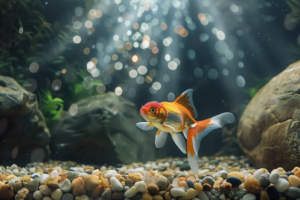
Why Do Goldfish Get Cloudy Eye (Moon Eye Disease)?
Cloudy eye in goldfish is mainly from bacteria or parasites, but the root cause is poor water quality—bad water lets pathogens breed, lowering resistance so they invade. Prevent by clearing waste and changing water regularly. Early signs are a white film on the eye, treatable with the 'old three methods'; if the eye turns clearly cloudy, add chlortetracycline or penicillin. Treat early.

Common Goldfish Diseases and Their Prevention
Common goldfish diseases include white spot (ich), cloudy eye, saprolegniasis, enteritis, fin/tail rot, and dropsy (pinecone disease). Learn these to prevent and lower illness risk. Water quality is the main health factor—keep it clean with regular changes and cleared waste to avoid bacterial growth and infection. Keep temperature steady and oxygen sufficient.

Why Is a Young Kitten Cold and Weak?
A cold, weak kitten may be from low temperature, poor nutrition, lack of security, or illness. Newborns can't regulate temperature, so cold environments drop their body heat. High nutritional need means shortage causes weakness and low temperature. Early separation from the mother or threats causes stress. Illnesses like respiratory infection or indigestion also cause it. Respond with warmth, nutrition, treatment, and a safe environment.

What Factors Affect a Goldfish’s Body Color?
Goldfish color is affected by genetics, light, water quality, diet, temperature, and environment. Genetically, early-fading fish pass it to offspring. Low light causes fading—provide natural or artificial light. Low dissolved oxygen also causes fading, so keep oxygen sufficient.

Why Is My Goldfish Losing Its Color (Fading)?
Goldfish color is affected by age, light, and water. As they age (past 4 years) fading is natural—no concern. But low light, wrong temperature, poor nutrition, or low oxygen also cause fading. Judge by the actual cause: add light (or a color lamp) for low light, and aerate for low oxygen.