Search Results
3206 results for “Temperature”

How to Prevent Diarrhea in Weanling Rabbits
Weanling rabbits easily get diarrhea from diet change and low immunity; surviving weaning is critical. This guide covers vaccination, scheduled feeding, digestible feed, water control, hygiene, and coccidiosis prevention.
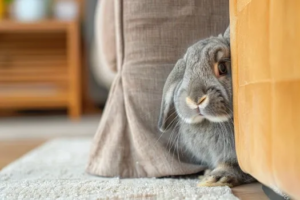
Preventing and Treating Rabbit Enteritis in Autumn
Enteritis is a key autumn risk for rabbits—warm, humid early autumn fuels pathogens and moldy feed. This guide breaks down parasitic, bacterial, toxic, and stress-related enteritis and how to prevent each.

Do Dogs’ Eyes Redden with a Cold?
A dog's eyes usually don't redden from a simple cold—redness more likely means fever. Take the temperature; if high, see a vet. Eye redness with a cold can also mean low immunity and conjunctivitis.

Can Dogs Get Heatstroke in Summer?
Dogs have almost no sweat glands and cool mainly through paw pads and panting, so summer heatstroke is a real, sometimes fatal risk. Learn the mild/moderate/severe signs and how to cool your dog fast.

How to Keep a Rabbit Odor-Free
Rabbits are clean animals—odor comes from poor hygiene, not the rabbit. Keep the hutch airy and tidy, bathe only when needed with plain water, and manage urine smell with absorbent bedding and disinfectant.

Hamster Shedding and Summer Care
Summer shedding is normal for hamsters as they lose their thick winter coat, but constant shedding may signal illness. Also guard against heatstroke with shade, water, ventilation, and cooling foods.

Symptoms of Rabbit Ear Inflammation and How to Treat It
Rabbit ear inflammation (otitis) causes head tilt, ear drooping, foul-smelling discharge, and balance problems, and can lead to deafness or even fatal meningitis if left untreated. Mild buildup can be managed at home with gentle ear cleaning and anti-inflammatory drops, but inflammation with discharge and odor requires prompt veterinary care.

How to Tell if a Hamster Is Cold
Hamsters feel the cold far more than cats or dogs, with a comfortable range of 20–25°C. Below 20°C they start to chill; below 10°C they slow down and risk colds or pneumonia; below 5°C they may enter a dangerous pseudo-hibernation. You can tell a hamster is cold by taking its temperature (under 37°C under the arm or thigh), feeling that it is cooler than usual, or spotting shivering, purple-tinged gums, low energy, poor appetite, and nest-building with bedding. If it goes still with a faint heartbeat, act fast to warm it—pseudo-hibernation can be fatal.

Why Do Ornamental Fish Gasp with Their Mouths Open?
Fish that gasp openly usually signal low dissolved oxygen, a sharp temperature change, or gill disease. Gasping is a self-regulating response to environmental stress. Boost aeration, stabilize temperature, and treat gill infections with salt and warmer water. Keep the tank clean, well-oxygenated, and at a stable temperature.
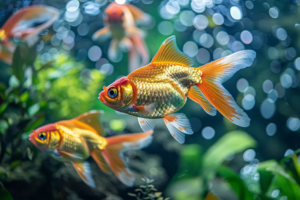
Why Do Ornamental Fish Get Parasites?
Fish parasites come from poor water quality, unsanitary tanks, weak immunity, unhealthy stock, and unclean food. Keep water good, clean equipment regularly, choose quarantined healthy fish, and feed safe food to lower risk.