Search Results
3206 results for “Temperature”

When Should You Wean Baby Hamsters?
Hamsters usually begin weaning at about 3 to 4 weeks, though the best timing varies with the individual. You can tell they are ready when they start eating solid food on their own, leave the nest more often, and the mother begins to refuse nursing. After weaning, feed a high-quality young-hamster mix with hay, oats, or millet as supplements, plus small amounts of chopped vegetables and fruit and constant fresh water. Separate the pups into their own cages, feed little and often, keep the cage clean, and maintain a warm, safe environment.

Why Are Your Cat’s Paw Pads Warm?
Warm paw pads are a normal physiological phenomenon in cats, the result of metabolism, circulation, and the keratin layer working together. Paw pads naturally run warmer because they hold many sweat glands that help release heat and regulate body temperature. After activity or in a warm room, warm pads are expected. Only abnormally hot pads with clear discomfort suggest a health problem worth checking.

Signs That a Hamster Is Pregnant
Knowing whether your hamster is pregnant helps you care for her and prepare for pups. Around days 15 to 20 the belly visibly swells as the fetuses grow, and by days 20 to 25 clear mammary bumps appear, the so-called 'double button,' often with early milk. Appetite rises because she needs more nutrition, while the heavier belly reduces her activity and she may seem lazy, which is normal. In late pregnancy she shows nesting behavior, tidying the nest for the babies. Support her with rich, varied food such as hamster mix, mealworms, vegetables, and fruit, plus pregnancy supplements like protein and vitamins, keep the nest clean with stable, comfortable temperatures, watch her body and mammary development, and set up a warm, dry, roomy birthing box in advance. After birth, monitor the pups' growth and nursing so any problem is caught early.
Why Is Your Cat Panting in the Car? Causes and What to Do
If your cat pants with its mouth open on a car ride, don’t ignore it. In most cases—around 80%—it’s fear: indoor cats suddenly confined in a small, noisy, vibrating space experience a spike in adrenaline that speeds up heart and breathing, and open-mouth breathing is how they meet the higher oxygen demand. But panting can also signal heatstroke, carsickness, or an underlying heart or respiratory condition. This article explains the main causes, how to tell them apart, and a graded response—from calming a mildly stressed cat to urgent steps if the tongue turns blue—so travel becomes less frightening for everyone.

What to Know When Your Hamster Is Giving Birth
Breeding hamsters is easy, but the birth itself needs care. Keep the room at 20 to 25°C with 40 to 60 percent humidity; extremes or big temperature swings can stall labor or kill pups. Use a roomy, well-ventilated breeding box with platforms to climb and plenty of bedding, and because hamsters are solitary, move the male out right after pairing and pregnancy to prevent fights, injury, and miscarriage. The mother needs balanced nutrition, protein, fat, minerals, and vitamins, plus breeding feed or extras like mealworms, dried fruit, vegetables, and nuts, with fresh water always available. Watch the mother for poor appetite or weight loss and the pups for slow growth. Seek a vet for dystocia (water broken but no delivery, or a pup stuck partly out), nursing trouble, or postpartum infection shown by fever, diarrhea, or vomiting. A controlled environment, good food, and close observation keep the birth safe.

Cat Won’t Drink in Summer? 8 Tips to Get It Drinking on Its Own
A healthy adult cat needs about 50-60 ml of water per kg of body weight each day, but dry kibble is only around 5-10% moisture, so summer drinking matters even more. Cats sweat only through their paw pads and ears and cool poorly, so low intake risks heat stress. Practical fixes: use a shallow ceramic or glass bowl (deep bowls annoy whiskers), offer a filtered running-water fountain, keep bowls over 1.5 m from the litter box and place several around the home, rehydrate freeze-dried food, serve wet food in the evening, and offer unsalted broth a few times a week. Senior, obese, and chronically ill cats need closer monitoring for dehydration.
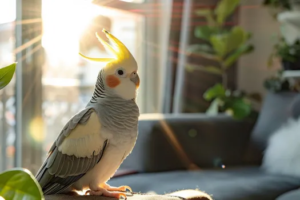
How to Feed a Budgerigar at Every Life Stage
Budgerigars are social, intelligent birds, but their care changes with age. Chicks are the most fragile stage and need frequent hand-feeding with a quality parrot formula and parrot hand-feeding powder, offered in small amounts every few hours around the clock. Adults need a varied diet of grains, vegetables, fruit, and seeds plus a protein boost from boiled egg, formulated protein feed, mealworms, or beans. Through every stage, keep the cage at a comfortable 20-25 C, maintain clean food and water dishes, and allow safe supervised flight time. With the right food and routine, a budgie stays active and healthy.

After the Swim: Preventing Ear Infections, Skin Trouble, and Tummy Upsets in Dogs
Swimming is a great low-impact workout that cools dogs off and supports their joints—but skipping the clean-up afterward can lead to three common problems: ear infections, skin irritation, and digestive upset. A dog’s L-shaped ear canal traps water that shaking alone won’t fully remove, creating a warm, moist space where yeast and bacteria thrive. Thick or double coats that aren’t fully dried breed the same trouble on the skin. And a cold abdomen plus post-swim air conditioning or ice water can upset a sensitive gut. The fix is simple: clean and dry the ears, blow-dry the coat layer by layer (especially armpits, belly, and paw folds), and let the dog rest before any AC, cold water, or rough play—offering a probiotic if its stomach is delicate.

Health Checks to Do After Rescuing a Stray Cat
Before a stray cat joins your home, a veterinary check-up protects the cat, any resident pets, and your family. Strays can carry parasites, skin disease, or hidden infections, so a targeted exam is worth the cost. Core tests include a physical exam, infectious-disease screening (panleukopenia, coronavirus, calicivirus, herpesvirus; add FIV and FeLV if you have other cats), a fecal exam for internal parasites, and a blood count to flag anemia, inflammation, or dehydration. Imaging or a Toxoplasma test may be added for specific risks. To keep costs down, ask clinics about rescue discounts, look for packaged wellness plans, and have the vet handle basic grooming during the visit. Always isolate the new cat for 7–14 days, deflea and deworm, then start vaccines once it has settled in.

How Many Kits Does a Rabbit Have Per Litter?
A rabbit can give birth to 3 to 12 kits per litter, with 6 to 8 being most common. But reproductive ability is shaped by many factors, including breed, age, health, and climate. Owners who plan to breed should learn the rabbit's reproductive traits and provide proper care, nutrition, and a suitable environment so the doe is in the best condition to raise a healthy litter.