Search Results
3206 results for “Temperature”
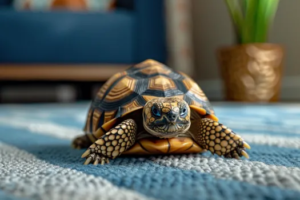
Caring for a Brazilian Turtle (Red-Eared Slider)
The Brazilian turtle (red-eared slider) is hardy but needs the right setup to stay healthy and live long. Choose a turtle at least six months old, house it in a covered tank with water at about 25°C, always feed it in the water, and manage a proper hibernation and breeding routine.
How long can an unopened cat can last?
An unopened cat can generally keeps for about a year at room temperature; check the label for the exact date. Once opened, feed soon — don't keep it at room temperature over a day. Leftovers should be sealed and refrigerated, but eaten within 3 days since cans lack preservatives.
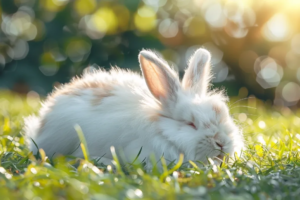
What Affects a Rabbit’s Lifespan?
A rabbit's life is shaped by its own traits, diet, and environment. Feed hay-based balanced food (not just vegetables or sweets), keep the cage clean, dry, and quiet between 15–25°C, house it indoors, avoid over-bathing and neglect, and don't breed females repeatedly — all of which shorten life.

How to Care for a Money Turtle (Three-lined Box Turtle)
Money turtles need a warm, sheltered pond with sandy substrate, shade plants, and a basking island, plus clean water kept at 24°C+ and a varied omnivorous diet. Separate turtles by size to prevent cannibalism, and protect them from cold and summer heat stroke during hibernation.

Are Chinchillas Prone to Heatstroke? How to Treat It
Chinchillas are very heat-prone: their thick Andean coat resists cold but they have few sweat glands, so heat and humidity quickly cause fatal heatstroke. Cool a stricken pet with ice and a fan, wipe alcohol on thin-furred spots, give a cooling remedy, and rehydrate — and keep the room below 28°C, ventilated, and shaded in summer.

How to Care for a Pet Turtle
Keeping a turtle alive starts with choosing a healthy, active individual, then setting up a proper tank with a basking spot, stable warm water (23–28°C), and clean filtered water. Feed a balanced diet on a fixed schedule and you will give your turtle the best chance at a long, healthy life.

Chinchilla Heatstroke: Symptoms and Emergency Care
Chinchilla heatstroke happens when heat and humidity stop the body from shedding heat, and severe cases are fatal fast. Watch for lethargy, unsteady standing, or coma; for mild-to-moderate cases move the pet to a cool place, apply cooling balm, and give a heat-relief fluid, while severe cases need glucose and a vet.
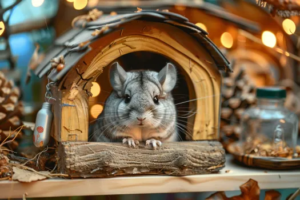
Chinchilla Heatstroke: First Aid and Prevention
Chinchillas are very heat-sensitive and can die quickly from severe heatstroke. Move a stricken pet to a cool, airy place, wipe it down, and give cooling fluids; prevent trouble by placing the cage out of the sun and using AC, a cooling fan, or ice to keep the room between 8 and 22°C.

Why Arowana Get Pinecone Disease (Raised Scales) and How to Treat It
Pinecone disease (also called raised or loose scales) is common in arowana. It can be triggered by large temperature swings, poor water quality, or internal infections such as enteritis and ascites. Mild cases often respond to the 'old three methods' — raise temperature, add salt, and partial water changes — while severe cases need antibiotics.

Which Cat Breeds Tend to Live the Longest?
Some cats are naturally long-lived — Chinese Li Hua, Chartreux, Norwegian Forest Cat, American Shorthair, Balinese, and Siamese often reach 15–20 years. Pair good genes with vaccines, deworming, spaying/neutering, grooming, dental care, exercise, checkups, and quality food to extend your cat's life.