Search Results
3206 results for “Temperature”

Chinchilla Behavior and Diet: Habits and Feeding Guide
Chinchillas are hardy, heat-sensitive rodents from the Andes that need a cool environment (8–22°C) and a hay-based diet. Feed mostly timothy and alfalfa hay to wear down continuously growing teeth, add a little pelleted food and fresh water, and limit sugary snacks.
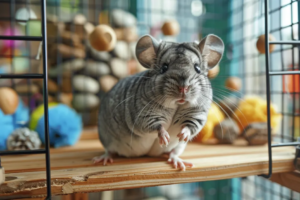
How to Treat Pneumonia in Hamsters?
Treating pneumonia in hamsters depends on catching it early and acting fast: confirm the cause with a vet, then use antibiotics or antifungals as prescribed, and support recovery with nebulization, a clean warm environment, and good nutrition. Because poor housing, dusty bedding, and stress are common triggers, prevention focuses on stable, clean, well-ventilated living conditions.

What to Do When a Blood Parrot Fish Loses Its Red Color?
A blood parrot cichlid that loses its red color is usually responding to insufficient light, poor water quality, temperature stress, or an unbalanced diet. Restore vivid color by keeping the pH at 6.5–7.0, doing regular water changes, feeding color-enhancing food rich in astaxanthin and carotene, providing 2–3 hours of daily light, and holding the temperature near 28°C with swings under 2°C.
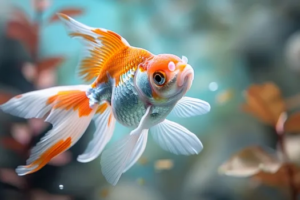
Tips for Keeping Goldfish in a Community Tank
Goldfish are peaceful but clumsy and poor competitors for food, so they do best with small, gentle tank mates such as angelfish, blood parrots, tetra, guppy, and platy — all small tropical fish with modest needs. During mixed keeping, manage water quality, stocking density, temperature, and oxygen so every fish thrives.
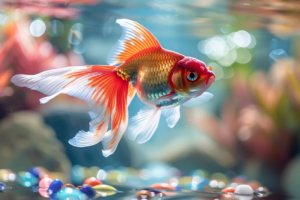
How to Treat Popeye in Blood Parrot Fish?
Popeye (exophthalmia) in blood parrot fish is most often caused by poor water quality and infrequent water changes, though injury or malnutrition can also contribute. Treat by isolating the fish, raising the temperature to 28–30°C, adding aquarium salt, doing daily partial water changes of about a quarter, and applying erythromycin eye ointment — with penicillin, chlortetracycline, or a dilute potassium permanganate rinse for severe cases.
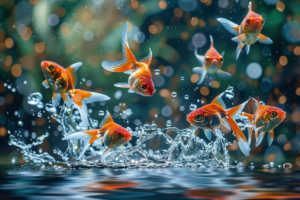
What Fish Can Live with Goldfish?
Goldfish are peaceful, social fish that tolerate 0–39°C but dislike sudden temperature shifts and prefer 20–28°C. Good tank mates are similar-sized, gentle, and share their water needs — such as guppy, angelfish, platy, tetra, and blood parrot, plus compatible goldfish varieties like Black Moor, Red Cap, Lionhead, and Ranchu.

Why Is My Cat’s Fur Turning Yellow?
Yellow cat fur usually points to parasites, improper bathing, poor nutrition, or tear stains. Treat parasites, switch to a cat-specific shampoo used at the right frequency, improve the diet, and keep the coat groomed to restore healthy, glossy fur.
What Is the Foxface (Saltwater Foxfish) Like?
A saltwater foxface is mainly found in coral reef waters such as around Taiwan and the Philippines, and is a highly ornamental fish with vivid colors suited to various aquarium layouts. They generally prefer water temperatures of 27-28 C and feed mainly on algae, though frozen fish meat can also be offered.
Can a Cat with Only One Testicle Reproduce?
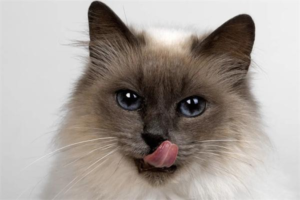
A cat that shows only one testicle has cryptorchidism — a congenital defect in which one or both testicles fail to descend into the scrotum. Such cats face a much higher risk of testicular tumors and should be neutered early. A unilateral cryptorchid can still breed but shouldn't, while a bilateral one is infertile.

How to Care for Pet Turtles: Feeding and Husbandry
Choose food by species—most turtles are omnivorous but vary in preference—and feed in water every 3–5 days, clearing leftovers to protect water quality. Set up the tank by type (land, semi-aquatic, aquatic), use sunned tap water, add pebbles and plants, keep temperature near 25°C, and watch water quality and hibernation.