Search Results
3212 results for “Temperature”

Does Weather Affect a Cat’s Mood? What Weather Do Cats Like?
Cats sense barometric pressure and are sensitive to weather; cold, dark days can trigger feline seasonal blues. They love mild, sunny weather and dislike rain, thunder, wind, and extreme heat - comfort them through storms to prevent stress.

Chinchilla Care Basics: What Living Environment Do Chinchillas Need?
Chinchillas come from the dry, cool Andes, so they need 10-25 C and 40-60% humidity, dim light, fresh air without drafts, a quiet spot, and a tall cage placed up high where they feel safe.
How Long Do Shih Tzu Bear Hamsters Live? How to Care for Them
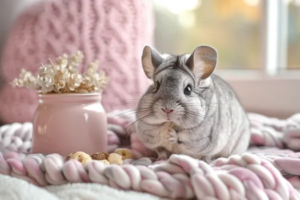
The Shih Tzu bear hamster, bred from the golden (Syrian) hamster, lives about 3–4 years, with lifespan tied to care. It has long fur, a small body, black eyes, a broad face, a small appetite, and little waste, and is strongly solitary—house one per cage except when breeding. Feed a simple diet with cooled boiled water and avoid watery produce that upsets its weak gut; groom its long coat, keep the home dry to prevent skin disease, and block its clever escape routes.

Things to Know When Keeping a Shih Tzu Bear Hamster
The Shih Tzu bear hamster (a long-haired Syrian) is easy to keep but needs care: do not spoil its picky side, feed set amounts in small frequent meals with cooled boiled water, and watch its food hoarding. Use a large cage, secure the door against escapes, choose cat-litter or tissue bedding (not wood shavings), fit a big wheel, give proper chew sticks, never place it up high, and keep the temperature steady—big swings can be fatal, especially for the young.

Are Hamsters Sensitive to Cold? How to Keep One Warm in Winter
Hamsters are very cold-sensitive; 20-25 C is ideal and below 20 C risks torpor or death. In winter add warm bedding, heat the room or use a heat mat, boost calories, and revive promptly if it goes into torpor. Always house one hamster per cage.

Why Is Your Chinchilla Having Diarrhea, and What to Do?
Normal chinchilla droppings are elliptical, slightly moist, firm, and smooth with tiny pores. Unformed or semi-solid stool means diarrhea - from poor digestion, spoiled food, chills, stress, or a dirty cage. Stop treats, feed hay, and see a vet if it persists.
Key Points for Raising and Managing a Baby Rabbit
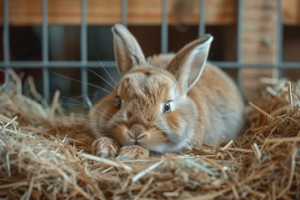
Baby rabbits are fragile: feed junior pellets and alfalfa (not fruit/veg), give clean water (never tap), keep the cage clean and quiet, hold temperature near 20 C (15-30 range), and prevent diarrhea and coccidiosis.

How to Feed a Newborn Chinchilla Kit
Newborn kits nurse once dry; hand-feed with diluted formula (2-4 ml, 4-5x/day) if there are more than 3 kits or the mother neglects them. Keep them at 10-20 C, secure the cage, and wean by 6 weeks (2 months fully), separating by sex to avoid early breeding.

Common Rabbit Diseases in Winter and How to Prevent Them
Cold, dry winters challenge small, fragile rabbits. To help your rabbit through the season safely, prepare ahead. Here are the diseases rabbits face in winter and how to prevent and treat them.
What to Prepare Before a Doe Rabbit Gives Birth
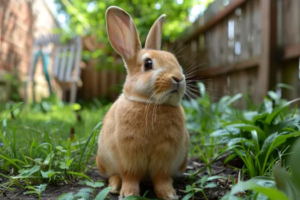
Before a doe gives birth, prepare well; how ready you are directly affects the kits' survival, since does eating kits or kits freezing are not rare. What should you prepare? Let's look.