Search Results
3205 results for “Temperature”

Post-Treatment Care for Canine Parvovirus
Parvo recovery hinges as much on aftercare as on treatment — 'three parts treatment, seven parts nursing.' Once signs improve, the gut lining is still damaged and cannot handle normal food, so feeding a dog as usual brings relapse, chronic diarrhea, or death. Rebuild gut flora with probiotics, ease digestion, repair the intestine, and feed small, frequent meals of soft, nutritious food while forbidding raw milk and meat.

What to Do If an Arowana Is Stressed
An arowana that is frightened should be left in a quiet, stable tank with feeding stopped and gentle support — a slight temperature rise, a little aquarium salt, and small water changes — until it relaxes. Stress comes from new surroundings, tank-mate fights, or sudden shifts in temperature or water quality, and it can slide into illness or death, so keep the tank calm, the temperature swing under 2°C, and remove anything that spooks the fish.
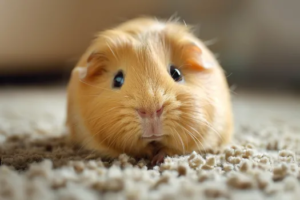
Which Hamster Is the Gentlest?
Among Campbell's dwarf hamsters, the wild-colored and 'purple' varieties have the gentlest temperaments, the Roborovski is the smallest, and the 'milk tea' is the prettiest — but hamsters are solitary and breed fast, so house them one per cage to avoid fights and overcrowding. Give a roomy cage with a wheel, keep them cool (they hate heat), feed a proper mix rather than human food, and offer boiled-cooled water and chew toys.

Treating Canine Bronchopneumonia
Canine bronchopneumonia (lobular pneumonia) brings high fever, cough, labored breathing, and thick yellow-brown nasal discharge, often following a cold or diseases such as distemper and adenovirus. Treatment combines Western medicine — anti-inflammatory, cough and asthma relief, and fluid support — with Chinese herbal formulas such as Houttuynia injection and Maxingshigan decoction, plus antibiotics like ampicillin for severe cases.

Common Bathing Mistakes New Dog Owners Make
New owners often stumble on three things: water that's too hot or too cold (test with your forearm, not your palm), a shower head that scares the dog with its pressure and noise (let water hit your hand first), and human shampoo — even baby formula — which disrupts a dog's skin pH and invites skin disease. Always brush the coat before the bath to lift loose fur and prevent mats.

Tips for Bathing Your Cat
Bathing a cat is manageable with the right approach: choose mild, dry weather, wet the coat gradually rather than dunking (head last), keep water at 38–40 °C with a thermostatic valve, and use only a pet-specific, low-odor shampoo. For skin issues like chin acne or a greasy tail, a medicated formula may be appropriate.

Understanding Normal Rabbit Behaviors
Knowing a rabbit's normal behaviors helps breeders spot problems early and respond in time. Key patterns include feeding and drinking, nursing, cecotrophe (soft stool) eating, and territorial marking. Recognizing what is typical versus abnormal is essential to rabbit health and productive husbandry.
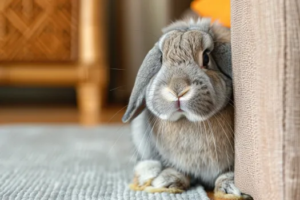
How to Improve a Rabbit’s Feed Conversion Rate
A better feed conversion rate lowers the cost of raising rabbits. Balance energy against other nutrients (intake falls as energy rises), apply digestible-amino-acid balancing, keep vitamins and trace elements in equilibrium to avoid deficiency disease, and use sound processing—right particle size, good pelleting, even mixing, and proper storage.

What to Do When a Cat Hates Baths
Cats evolved in dry deserts and dread getting wet, but skipping baths invites parasites and skin disease. Desensitize early, use a big non-slip tub with chest-deep water, wash back-to-front, keep water off the face, and clip nails 2–3 days ahead. Don't bathe a sick, newly vaccinated, or dewormed cat.

Does Feline Panleukopenia Mutate?
Talk of feline panleukopenia (cat plague) mutating—riding on COVID variant fears—has no scientific basis. The real concern is how dangerous it is: highly contagious across cats and other felids, striking all ages (kittens under one year worst, with 70% infection and 50–60% death rates), and the parvovirus survives over a year in the kidneys. Vaccinate and act fast on vomiting, diarrhea, or blood in stool.