Search Results
3205 results for “Temperature”

Keeping Your Cat Safe with the Air Conditioner
Air conditioning helps in summer, but dry, stale, over-cool air can trigger 'AC sickness' in cats. Keep water flowing, set the temperature around 26–27°C with under a 7°C gap from outside, air out the room every few hours, and don't park the cat in the AC room all day.

Health Checks to Do Before Adopting a Stray Dog
Before a stray moves in, work through four steps: a professional bath that also reveals wounds or lumps, internal and external deworming, a 10-day home observation before any vaccines, then a clinic visit for a full exam and shots (distemper combo, rabies, toxoplasmosis). Only after that is your new dog truly safe to cuddle.

How to Tell If Your Cat Is Sick
A sick cat hides its discomfort, so the earliest clues are changes in sleep, litter-box habits, appetite, weight, coat, and water intake. Red flags such as vomiting, diarrhea, labored breathing, a head tilt, or straining to urinate need a vet, and routine checks also catch fleas, hairballs, hyperthyroidism, diabetes, and urinary disease.

How to Keep a Puppy Warm in Winter
Young puppies have almost no fat reserve and chill easily, so line the bed with old blankets, keep the sleeping area above 13°C, and block every draft. Sunlight, a little extra fat- and vitamin-A-rich food, and avoiding cold drafts all build cold resistance; first-time owners are better off waiting for warmer weather before bringing a puppy home.

How to Tell If Your Cat Has a Fever
A cat's normal temperature runs 38.0–39.0°C for adults and 38.5–39.5°C for kittens; a hot, dry ear or, more reliably, a rectal reading above 39.5°C signals fever. Short-term cooling (shade, paw-pad wiping, cool towels) helps, but the underlying cause, from infection to pyometra, needs a vet.

How to Give Your Cat a Home Health Check
A hands-on check covers body condition and spirit, then vitals (temperature, pulse, hydration) and a look at the eyes, nose, mouth, ears, skin, chin, anus, and genitals. Red flags such as gum redness, ear-mite crust, tapeworm segments, or a dirty chin mean a vet visit.

How to Care for Newborn Kittens
A newborn kitten with no mother is fragile and will not survive without help: keep it warm, get milk replacer into it fast, and stimulate it to relieve itself. Watch for dehydration and diarrhea, shield its young eyes from bright light, and start vaccines and deworming by two to three months.
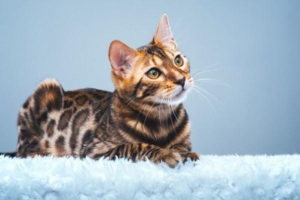
Why Newborn Kittens Die: Common Causes of Fading Kitten Syndrome
Most fading kittens die from preventable causes: the mother's low milk supply, being crushed in an undersized nest box, injury and infection, or chilling. Watch for a thin belly and constant crying (signs of hunger) and keep the whelping area warm and roomy — at least 40×40×40 cm, or 60 cm per side for large breeds like Ragdolls.

Why Is Your Cat Having Diarrhea and How to Treat It
Before reaching for medicine, rule out simple causes — a dirty water bowl, spoiled food, a chilly room (keep it near 26°C), a too-fast food switch, a grain allergy, or stress. If diarrhea persists despite a cat probiotic, suspect parasites and deworm; if it worsens within a day or two with vomiting, it could be something serious like panleukopenia and needs a vet immediately.

Symptoms of Leptospirosis in Pets
Leptospirosis is a zoonotic infection of dogs and cats caused by pathogenic Leptospira, often silent but marked by fever, jaundice, anemia, edema, hemoglobinuria, bleeding, and in severe cases kidney and liver failure. It spreads through urine, contaminated water, and bites, peaks in warm wet seasons, and is diagnosed by signs plus kidney and liver damage. Prevention is vaccination and rodent control; treatment is antibiotics plus supportive care, avoiding streptomycin when kidneys are involved.