Search Results
3205 results for “Temperature”

How to Keep Pets Warm (Without the Common Mistakes)
Dogs stay comfortable roughly between 0–25°C and self-regulate, so over-bundling can backfire. Skip space-heater overuse, only clothe frail, young, old, or post-birth pets, and keep short, sensible outings instead of locking them indoors.

Why Dogs Pant with Their Tongues Out in Summer
Dogs can't sweat except through their tongues, so panting is how they dump heat — and flat-faced breeds overheat fastest. Heatstroke is lethal within minutes, so cool a overheating dog with lukewarm water and rush to the vet.

Can Pets Use Air Conditioning?
Pets can use AC if you set it around 27–28°C, avoid direct drafts, keep air moving, and let them adjust to temperature changes gradually. Watch for 'AC sickness' — sneezing, lethargy, anorexia — and cool short-faced dogs (pugs, bulldogs) without fail in summer heat.

Fun Facts About Dogs You Might Not Know
Dogs sleep 10–15 hours (puppies ~20), run a 37.5–39°C temperature by size, live about 12 years, and have 42 teeth with 5 front and 4 hind toes. They're red-green colorblind, smell far better than they taste, and can feel anxiety and depression when neglected.

Why Does My Cat Sneeze Every Day?
Frequent sneezing signals a problem — from a harmless ongoing irritant like dust or perfume to allergies, infection, or dental disease reaching the sinuses. Skip the antibiotics unless a vet confirms infection; human meds are toxic to cats.

Why Your Cat Has Intermittent Fever
Intermittent fever in cats usually signals an underlying disease, and most recurring-fever cases turn out to be feline infectious peritonitis, or FIP. Diagnosis relies on blood and urine tests, and FIP needs continuous, consistent treatment supported by good nutrition.
Can Cats Get a Fever?
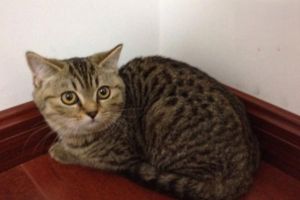
Yes, cats do get fevers, though their naturally higher body temperature makes it hard to spot. Watch for a dry, hot nose, warm ears and tail tip, lethargy, and heavy drinking, and confirm with a rectal thermometer reading.

Why Cats Get Diarrhea When the Weather Changes Suddenly
Cats are sensitive to abrupt temperature swings, and a sudden cold snap can trigger stress-related diarrhea as gut motility speeds up. At home, keep their bedding warm, skip frequent winter baths, and use a cat probiotic mixed into food or warm water to steady digestion and rebalance gut flora.

Your Dog’s First Vaccination
A vaccine is a tamed virus (rabies is killed) that teaches the body to make antibodies without causing disease. Puppies usually get their first combination shot at 45 days; toy breeds can wait to about 8 weeks. Full protection takes 2–3 weeks, so avoid baths, new food, and stress right after.

Why Cats Shouldn’t Drink Mineral Water
Cats evolved in the desert and have a naturally weak thirst drive, so owners need to actively encourage them to drink enough water to avoid urinary stones and cystitis. Plain tap water served at room temperature and free of chlorine is best, while bottled mineral water is too high in calcium and magnesium for a cat's system.