Search Results
3206 results for “Temperature”

What Causes Black Spots on a Parrot Fish?
Black spots on a parrot fish come from dirty water, low temperature, or black spot disease. Clean the tank, warm the water, or use a salt bath depending on the cause.

White Film Over an Arowana’s Eye
A white film over an arowana's eye calls for quick water changes. The 'old three' method fixes mild cases; bacterial film needs fish-specific antibiotics.

Why a Silver Arowana Won’t Eat
A silver arowana may refuse food from indigestion, new-tank stress, or low oxygen. Here are the causes and the matching fixes, starting with raising the temperature.
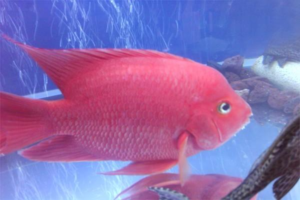
What to Do When Parrot Fish Grow White Fuzz
White fuzz on parrot fish comes from poor or unstable water, temperature swings, or saprolegniasis (fungus). Fix water quality, raise temperature to 30 C then settle at 25-28 C, or salt-bath / potassium permanganate the isolated fish for about a week.
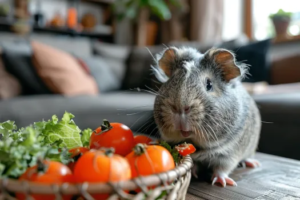
Guinea Pig Biological Traits and Characteristics
Guinea pigs are social, gentle prey animals that need dry, warm, clean housing and a high-fiber vegetarian diet. They are sensitive to smell, sound, and temperature; prone to pneumonia in poor air; and unusually sensitive to antibiotics such as penicillin. Their long pregnancy ends in fully developed pups that walk within an hour.

Why Are My Puppy’s Ears Hot? Is It a Fever?
A dog's ears naturally run warmer than its body, and a brief warm spell after waking is normal. Persistent heat can mean fever (over 39°C / 102°F), an ear infection, or simple stress. Measure rectally with a thermometer and see a vet if the temperature is high or the ear looks inflamed.

Why Won’t My Red-Eared Slider Open Its Eyes?
Cloudy eyes, white discharge or failure to open the eyes in a red-eared slider usually means white-eye disease (an eye infection common in aquatic turtles), caused by eye injury or dirty water. Treat mild cases with nitrofurazone baths; also rule out low temperature, new-environment stress or other infection. Keep water clean and at about 25°C.

Why Is My Parrot Fish Turning Black?
A parrot fish turns black from fright (stress), sudden environment or water changes, or genes (some carry black-spotted ancestry that fades with age). Rule out wounds with poor water that invite fungus; keep water stable at 25-28 C, pH 6.5-7.0.

Common Diseases of Parrot Fish
Parrot fish commonly get head-hole disease (highly contagious, fatal), black-spot disease (fungus, most common), and red-skin disease (bacterial). All trace to poor water or temperature; treat with salt baths, yellow powder, potassium permanganate, and clean warm water.

Turtle Cold: Symptoms and Treatment
Turtle colds show as dull eyes, weeping eyes, runny nose, lethargy and white material at the mouth; severe cases develop pneumonia (crusted nostrils, wheezing). Treat by severity — isolation and warmth for mild, antibiotic (gentamicin/oxytetracycline) baths for moderate, and amoxicillin by weight for severe — keeping the enclosure at 30–32°C.