Search Results
3212 results for “Temperature”
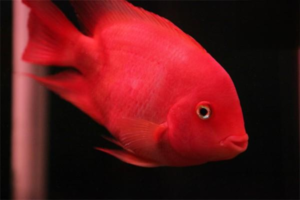
What to Do When Blood Parrot Cichlids Fear People and Hide?
Owners of parrot cichlids share a worry: the fish fear people and hide. To solve it, first understand why. Our team explains the causes and solutions.
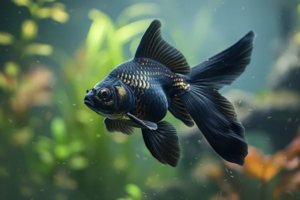
Common Reasons an Arowana Stops Eating
An arowana may refuse food because it is stressed by a new environment, the water has gone bad, the diet is too monotonous, it has a cold, it has internal parasites, or it has enteritis. Pinpoint the exact cause—stable water, a short fast, then targeted treatment—before resuming feeding.
How to Keep a Parrot Fish at Its Reddest
To keep a parrot fish vivid red: varied pigmented feed, low density, warm slightly acidic water, 2-3 hours of light, and a dark tank background.
What to Do When a Parrot Fish’s Mouth Is Swollen
A parrot fish's swollen mouth is usually a fight wound that self-heals, or head-hole disease needing isolation and medication. Keep water clean.

Why Arowana Lose Color and the Risks of Forcing Quick Coloration
Arowana can fade because of heat, poor water quality, or long-term pigment feeds, and some fading is permanent. Many keepers chase rapid, vivid color, but the tricks used—restricted feeding, lower temperature, lower pH, reduced water flow—stunt the fish's growth and rob it of its natural stature. Balanced development matters more than looks.

Can Sunken Arowana Eyes Be Saved?
Sunken arowana eyes can be saved. Raise the temperature to 30-32 C, change water often, and add oxygen; use oxytetracycline only if it doesn't improve.
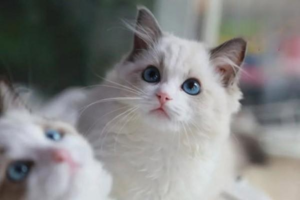
Why a Cat’s Ears Are Red
Red cat ears usually mean fever, ear mites, or heat. Check temperature for fever, treat mites, or just cool the cat down.
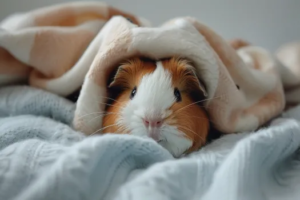
Guinea Pig Physiological Characteristics
Guinea pigs cannot make their own vitamin C and need it from food - deficiency causes scurvy (hind-leg weakness, common in winter). They are sensitive to certain sounds and pathogens, tolerate low oxygen, and have a 62-72 day pregnancy with postpartum estrus. Normal temperature is 37.8-39.5°C and lifespan about 8 years.

Is It Good to Dress Your Dog in Clothes?
A well-dressed dog looks adorable, but clothing has both ups and downs. It warms, protects, and keeps them clean, yet long-term wear can backfire on temperature control, coat, and skin. Use it by need, not by habit.

How to Keep Your Guinea Pig Warm During Seasonal Changes
Guinea pigs are comfortable at 20-28°C; below 20°C they need warming. Seasonal swings bring sudden cold snaps, so keep them indoors, block drafts with towels or boxes, raise the cage off the cold floor, and use heating pads or blankets if it gets colder.