Search Results
536 results for “Summer Care”

Geometric tortoise
The Geometric Tortoise (Psammobates geometricus) is a rare, strikingly patterned South African tortoise protected as endangered. Extremely sensitive to humidity and a challenge to keep alive in captivity, it is best appreciated in the wild or by experts.
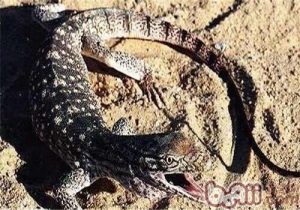
Desert Monitor
The Desert Monitor (Varanus griseus) is a large, fierce monitor of the Sahara and Asian deserts, reaching up to 140 cm and famed for its endurance and venom-resistant diet of snakes and scorpions. Difficult and dangerous to keep, it is not recommended for beginners.
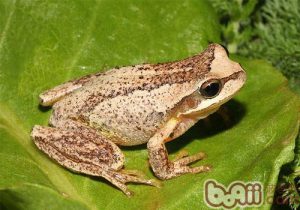
Brown Tree Frog
The Brown Tree Frog (Litoria ewingii) is a small, highly adaptable hylid frog native to southeastern Australia and introduced to New Zealand, classified as a species of Least Concern. It breeds year-round—peaking in summer after rain—and is known for its distinctive whistle-like call and brown body marked with two black stripes.
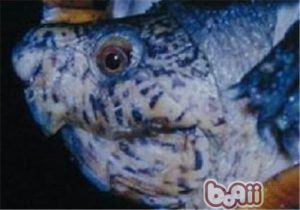
Kinosternon dunni
Kinosternon dunni, the Colombian Mud Turtle, is a semi-aquatic musk-turtle relative from Colombia's streams, mostly herbivorous and similar in looks to the narrow-bridged mud turtle. A prolific breeder, it benefits from a short, safe hibernation and a varied, plant-rich diet.
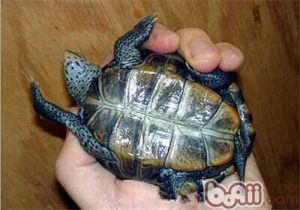
Florida East Coast Diamondback Terrapin
The Florida East Coast Diamondback Terrapin (Malaclemys terrapin) is a dark, subdued brackish-marsh turtle from Florida's Atlantic coast, uncommon in the trade. Unique among turtles, it thrives in brackish water near seawater salinity, so it is best kept in slightly brackish conditions.

Florida Red-bellied Cooter
The Florida Red-bellied Cooter (Pseudemys nelsoni) is a brightly marked freshwater turtle from Florida and Georgia, popular with keepers who want a colorful alternative to the Red-eared Slider. Hardy and easy to care for, it thrives under slider-like conditions with good water quality and a basking spot.
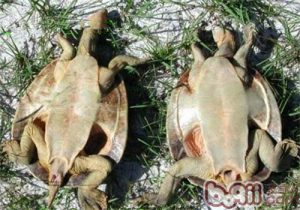
Fitzroy River Turtle
The Fitzroy River Turtle (Rheodytes leukops) is an Australian river turtle famous for 'breathing through its bottom'—it draws oxygen via cloacal sacs, letting it stay submerged far longer than most turtles. A bottom-dweller of flowing, gravelly waters, it is sensitive to poor water quality and warm temperatures.

Tiliqua nigrolutea
The blotched blue-tongued skink (Tiliqua nigrolutea) is found in southeastern Australia and Tasmania, feeding on insects, land snails, flowers, and fruit. A terrestrial skink that adapts well to captivity, it needs a temperature gradient of 22-32 deg C and humidity of 50-80%.

Vipera ruselli siamensis
The white-browed pit viper (Vipera ruselli siamensis) is a venomous pit viper found in Fujian, Guangdong, and Guangxi in China, and abroad in India, Pakistan, Myanmar, and Thailand. Despite its potent venom, used medically to treat cerebral thrombosis, it is one of the easiest snakes to keep and tolerates a wide range of temperatures.

Dyscophus antongili
The Antongil Bay Tomato Frog (Dyscophus antongili) is native to the east coast of Madagascar and feeds on insects. Restricted to a narrow range and threatened by habitat loss and poaching for the pet trade, it is listed under CITES Appendix I. Wild individuals come in red (females) or yellow (males), so choose a female if you want a red 'tomato'.