Search Results
53 results for “Ragdoll cat”
How to Choose a Cat Breed
A 'pedigree' cat is one shaped by planned crosses and recognized by a registry—largely a commercial matter. Common breeds: American Shorthair (sturdy, calm), British Shorthair (round face, sweet), Chinese Li Hua (independent, a great mouser), Siamese (vocal, clever), Persian (long-haired, gentle), Exotic (flat face, prone to breathing/eye issues), Norwegian Forest and Maine Coon (large, adventurous, not ideal strictly indoors), and Ragdoll. Match temperament and your home to the cat, and beware breeds with known genetic problems.
What to Feed Your Cat for a Healthy Heart
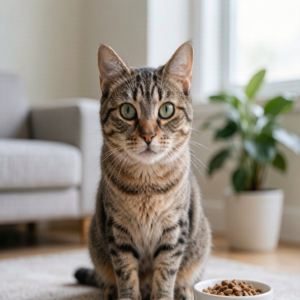
A cat's heart health rests heavily on diet. Taurine, omega-3s, L-carnitine, and vitamins E and C are the nutrients that protect the myocardium and slow decline—found in organ meat, lean poultry, salmon, and vegetables like broccoli and spinach. Just as important is what to avoid: salty, fatty, and high-cholesterol foods that strain the heart. Senior and high-risk purebred cats need regular checkups at the first sign of breathlessness.
CoQ10 for Senior Dogs and Cats: Spotting the Signs and Picking a Reliable Supplement
As pets age, their liver makes less CoQ10, and the heart—which has the highest energy demand in the body—feels it first. CoQ10 helps power heart-muscle cells and limit oxidative stress, so a shortfall can show up as tiredness, coughing, or faster breathing. Knowing the warning signs and what a well-built formula contains helps you choose a supplement that actually supports your senior dog or cat.
Cat CoQ10 Buyer’s Guide: Reading Labels and Avoiding the Pitfalls
Roughly 15% of cats develop some form of heart disease, with seniors, flat-faced breeds, Ragdolls, and overweight or inactive cats at higher risk. CoQ10 supports cellular energy in heart muscle, but natural production drops as cats age. When choosing a supplement, the smart move is to read the label and judge the formula—not the marketing. This guide breaks down what to look for and the common traps to avoid.
Cat CoQ10 Clinical Evidence: What a Real Comparison Shows
For high-risk breeds such as British and American Shorthair and Maine Coon cats, plus seniors, obese cats, and stress-prone cats, CoQ10 is a key heart nutrient — it supplies energy, fights oxidation, eases fatigue, and supports the heart against enlargement, exercise intolerance, and wheezing. But the category is uneven, and 'high content' claims mean little without proof. This guide explains the four points that matter, why palatability is a heart issue, and who should supplement.
How to Choose a Safe Cat CoQ10 Supplement
Feline heart disease is more common and more silent than many owners realize: hypertrophic cardiomyopathy affects roughly 11–16% of cats overall and a much higher share of high-risk breeds, often with no obvious signs until heart failure is already underway. CoQ10 supports heart-cell energy and is a popular preventive, but the market is uneven. This guide sets out three practical safety standards and the common pitfalls to avoid when choosing a product.
CoQ10 for Senior Cats with Heart Concerns: A Buying Checklist
The heart is the body's highest-energy organ and holds a large share of a cat's CoQ10, so as production falls with age or hereditary risk, supplementation can support heart-muscle energy and act as an antioxidant. This checklist explains why senior and high-risk cats are the ones most likely to benefit, the five points to verify before buying, and the safety limits every owner should respect.
CoQ10 for Cats and Dogs: Food Sources, Benefits, and Who Needs It
Coenzyme Q10 (CoQ10, or ubiquinone) is a fat-soluble compound that helps cells make energy and is concentrated in high-demand organs such as the heart, liver, and kidneys. Most healthy pets make enough on their own, but seniors, certain breeds, and pets with heart conditions may benefit from supplementation. This guide covers what CoQ10 does, which foods naturally contain it, which pets are most likely to need a supplement, and the key safety precautions to keep in mind.
My 2-month-old Ragdoll’s FCoV titer came back high on a checkup — is that serious?
A high feline coronavirus titer is common in kittens and usually not serious without ascites or other symptoms. Avoid stress, recheck regularly, and vaccinate on schedule to lower infectious-disease risk.

How to Choose the Right Cat to Raise
Raising a cat means welcoming her as family and caring responsibly for life. Before fate arrives, we cannot know if she fits; to avoid later mismatch, here is how to pick your cat.