Search Results
53 results for “Ragdoll cat”
When Do Ragdoll Cats Develop Cheek Jowls?
Ragdoll cats usually start developing cheek jowls at 6–8 months, though genetics set the exact timing and some begin earlier or later. Only males develop true jowls; it depends on inherited genes from the parents. Diet, exercise, and neutering also shape the result. To support healthy jowl development, feed plenty of protein, vitamins, and minerals, offer chewy or raw-meaty-bone snacks to build jaw muscles, keep the cat active, and time neutering until after the face fills out. Remember, not every Ragdoll will jowl—genes decide. If you have concerns, consult a veterinarian.
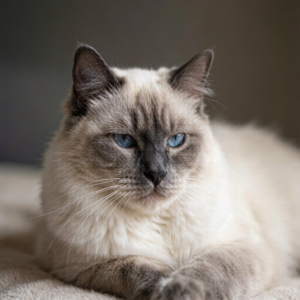
Why Is My Ragdoll Cat Breathing Heavily?
A Ragdoll that breathes noisily isn't automatically sick—it may simply have exercised hard or be reacting to heat. But if the heavy breathing persists, it can signal real problems: respiratory disease, obesity, heatstroke, infectious peritonitis, liver-related fluid buildup, or heart disease. Watch for other symptoms and see a vet if it continues. For overweight cats, weight control helps; in hot weather, keep them cool and hydrated to prevent heatstroke. This article covers the likely causes and the practical steps you can take at home.
Why Isn’t My Ragdoll Cat Gaining Weight?
Ragdoll cats that eat plenty but never seem to gain weight worry many owners, yet the cause is not always disease. Genetics, low activity, or an unbalanced diet may simply mean your cat burns or absorbs fewer calories than expected. Parasites are another common culprit that blocks nutrient absorption. If diet and exercise adjustments bring no improvement, a veterinary check-up can rule out hyperthyroidism, digestive disorders, or liver problems. This article explains the likely causes and the practical steps you can take at home to help your Ragdoll reach a healthy weight.
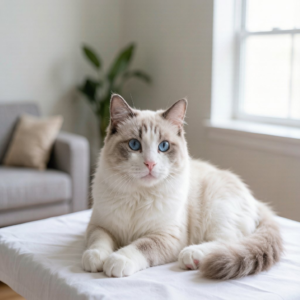
Common Genetic Diseases in Ragdoll Cats
Ragdolls are prone to two inherited diseases: hypertrophic cardiomyopathy, where the heart wall thickens and can cause sudden cardiac death, and polycystic kidney disease, where fluid cysts enlarge the kidneys. HCM peaks at four to eight years and affects about 6 percent of the breed; PKD strikes at three to ten and is avoided if both parents test clear. Neither can be cured, only managed with care, kidney-support diets and vet-guided mineral supplements, so DNA testing and routine prevention matter.
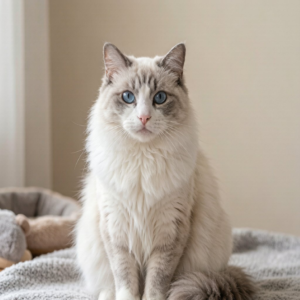
How to Reduce Heavy Shedding in a Ragdoll Cat
A Ragdoll's heavy shedding can stem from seasonal change, poor diet, weak care, stress or an underlying health issue. Brush regularly to stop mats, bathe on a sensible schedule with a gentle cat shampoo, and avoid salty or greasy food while adding omega-3 and vitamins for skin and coat. Keep the home calm and quiet, and if shedding stays severe, have a vet rule out skin disease, allergies, parasites or hormonal problems before treating.

Downsides of Owning a Ragdoll Cat
Ragdolls are beloved but come with real drawbacks: heavy shedding that needs regular grooming, a large body that eats more and costs more, long fur that traps dust and food and spreads around the home, a clingy nature that demands attention, a higher purchase price, and a delicate stomach prone to diarrhea and vomiting. Their upsides, gentle friendliness, easy adaptability, and calm low-energy temperament, often make owners accept the extra work. Weigh the cons against your lifestyle before committing.
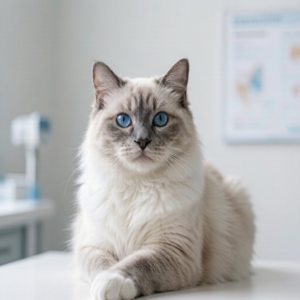
Are Double-Bloodline Ragdoll Cats Special?
A double-bloodline Ragdoll has two purebred Ragdoll parents, which usually means better conformation but costs more, and is not a guarantee of good looks. Some double-bloodline cats inherit poor traits from their parents and look worse than others. Single-bloodline cats, with only one purebred parent, are even more unpredictable. Because bloodline does not determine appearance, choose a Ragdoll by its looks rather than its papers. Good examples come in three color patterns: bicolor, point, and mitted.
My Ragdoll cat, which I rarely see, rolled onto its back and showed me its belly the third time we met — what does that mean?
Showing the belly is a sign of relaxation and deep trust, since the cat is exposing its most vulnerable spot. It can also mean the cat is stretching, settling in to sleep, or simply seeking affection. Gently petting the cat at this moment will make it very happy.

When Do Ragdoll Cats Reach Full Size?
Ragdolls are a large, slow-maturing breed—their color and body finish developing only around age three to four. Males reach roughly 17–22 pounds (8–10 kg) by a year and can grow to about a meter long, though females stay smaller.

Do Ragdoll Cats Get Diarrhea Easily?
Ragdolls have more sensitive stomachs than the average cat, so diarrhea is common. Causes range from spoiled food and stress to parasites and, in severe cases, panleukopenia—most mild cases settle with brief fasting, but vomiting with blood or lethargy means a vet visit.