Search Results
53 results for “Ragdoll cat”

What Meats Are Best for Ragdoll Cats
Ragdolls are carnivores, and good meat is essential for a soft coat and strong body. Lightly cooked beef, pork, and chicken breast are the easiest proteins to digest, while a few vegetables help prevent constipation—served warm, never cold.

When Do Ragdoll Cats Shed the Most?
Ragdolls shed most heavily in the cooler months, especially from September to November, as part of normal seasonal shedding. Regular coat care, added dietary oils, and consistent home cleaning keep loose fur under control.

How to Reduce Shedding in a Ragdoll Cat
Ragdolls are long-haired and shed year-round, with a heavy blowout as kittens around three to four months. The fix is mostly daily grooming, a coat-friendly diet, and infrequent proper bathing — and a vet check if the coat suddenly thins.
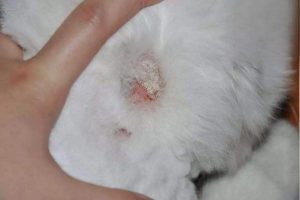
How to Spot Ringworm on a Ragdoll Cat
Ragdolls get ringworm like any cat, usually from a home with fungal spores or contact with an infected cat. Watch for relentless scratching, biting at the tail, hair loss, scabs and small red bumps. Treatment runs five to six weeks and needs consistency.
CoQ10 for Cats: How to Choose and Use It
Cats enter old age after 7, when heart disease affects a large share of the population, and their own CoQ10 production falls below half of youth levels. For breeds prone to hypertrophic cardiomyopathy, veterinary-guided CoQ10 is common supportive care. This guide explains why cats need CoQ10, the market pitfalls to avoid—false potency, conceptual add-ons, and fake credentials—and the three basics of choosing a product, plus feeding rules and cautions. CoQ10 supports care but never replaces prescribed heart medication.
CoQ10 for Dogs and Cats: A Heart-Health Supplement Guide
CoQ10 is a key nutrient for heart-muscle cells and a staple for senior pets and breeds at risk of heart disease. Yet the market is messy—under-dosed, over-claimed products are common. This guide covers who benefits from CoQ10, what to look for on the label, why yeast-fermented source and combined antioxidants (including taurine for cats) matter, and the feeding rules and cautions every owner should know. CoQ10 supports care but never replaces prescribed heart medication.
CoQ10 for Cats: What to Know Before You Buy
Cats get heart disease too—especially Ragdolls, Maine Coons, and British Shorthairs, where genetics raise the risk—and a vet may suggest CoQ10 as supportive care. Because quality varies, owners who judge only by label strength often see no benefit. This guide explains why cats may need CoQ10, what a good feline formula contains (verified content, yeast-fermented source, taurine, and sensible antioxidants), and how to read labels without falling for marketing. CoQ10 supports heart care; it never replaces prescribed medication.
Which Cat Breeds Rarely Bite? (And Why Personality Still Wins)
If you worry about being bitten, choose a naturally gentle breed: Ragdoll, British Shorthair, Maine Coon, Birman, exotic shorthair (Exotic), Siamese, Sphynx, and orange tabbies are widely seen as low-aggression, friendly, and people-oriented, good for families with kids. Ragdolls go limp and forgiving, British Shorthairs warn with a soft paw, Maine Coons show feeling by walking away, and orange tabbies are affectionate but prone to weight gain. Yet every cat is an individual, and even these breeds can bite if pushed past their limits. Learn each cat's boundaries, respect its feelings, and avoid over-stimulating it.
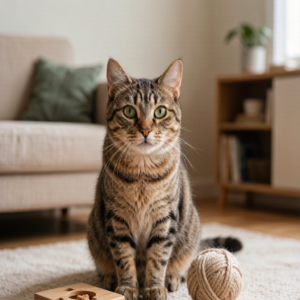
Is Your Cat Smart? Simple Tests and How to Boost Feline Intelligence
Cats, like people, vary in problem-solving speed and learning ability. You can gauge yours at home with three lighthearted tests: a "sock test" (how fast it frees itself), a "treat test" (whether it figures out how to reach a snack from an OK-sign hand), and a litter-box test (how it reacts to an un-scooped box). Some breeds, such as Siamese, Bengal, Ragdoll, and Maine Coon, are known for sharper social or spatial skills. To nurture intelligence, spend 30 minutes daily on hunting-style play, offer puzzle feeders, and rotate furniture layout, but keep training gentle to avoid stress.

Understanding Cat Blood Types: A, B, and AB
Cats have three blood types, A, B, and AB, with a dominance order of A over B over AB, and a kitten's type is set by its parents. Type A is by far the most common and varies by breed: Siamese are all type A, Himalayans and Maine Coons are about 90% A, while Turkish Vans can be 60% type B. Blood type matters for safe transfusions and for breeding, because a type B queen nursing type A or AB kittens can trigger fatal neonatal isoerythrolysis. Always blood-type and cross-match cats before transfusion or mating.