Search Results
254 results for “Rabbit light”
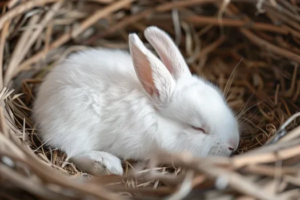
How to Care for and Manage Nursling Rabbits
Nursling (unweaned) rabbits are the hardest to raise because their bodily systems are immature and even slight chilling can be fatal. Key management steps include ensuring prompt colostrum intake, keeping the nest warm and rat-free, feeding on a set schedule, starting supplemental feed at 18 days, and weaning scientifically.
Seasonal Care Tips for Raising Rabbits
Weather strongly affects a rabbit's behavior and health, and harsh conditions can be dangerous. Good husbandry means adapting care by season—controlling moisture and preventing coccidiosis in spring, avoiding breeding and beating the heat in summer, boosting nutrition and guarding against respiratory illness in autumn, and keeping warm in winter.

How to Assess a Rabbit’s Health
Check a rabbit's health daily with the "three checks and five looks": check food intake, water, and droppings, and look at spirit, appetite, face, movement, and coat. Early signs—poor eating, odd stools, dull eyes, or skin trouble—mean isolate and treat promptly.
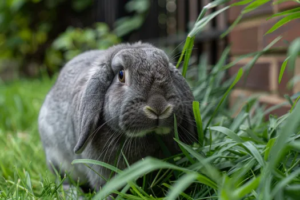
Rabbit Feeding Rules
The kit-to-juvenile stage needs extra care. Vaccinate at 30–45 days, feed weaned juveniles pellets four times daily in small amounts, limit greens for light kits, give breeding stock peanuts, and never use chicken or pig feed—only rabbit-specific pellets with alfalfa-based hay powder.

Treatment Methods for Rabbit Pododermatitis (Sore Hocks)
Rabbit pododermatitis (sore hocks) is quite common, so it is important for owners to learn how to treat it. It must be treated early, otherwise the impact and the time needed for a cure will be greater. Today we share some treatment methods for rabbit pododermatitis, hoping they help!
Factors That Influence Rabbit Foot Dermatitis
Rabbit foot dermatitis (sore hocks) is driven by genetics, body size, hutch dampness, and cage-floor construction. This article breaks down each risk factor and the clinical signs to watch for.

Rabbit ‘Big Belly’ Disease (Enteritis/Bloat): Causes & Care
Rabbit 'big belly' disease is a fast, often fatal gut illness from mixed E. coli/coccidia infection, viral diarrhea, or low fiber. This guide covers its signs, prevention (clean feed, grass), and treatment (fasting, gentamicin, probiotics).

Why Is Your Rabbit Not Eating? Common Causes
A rabbit that stops eating can signal seasonal boredom, a sudden food change, breeding period, bloating, or pregnancy. This article lists the main causes and the practical responses for each.
Difference Between Ordinary and Pasteurella Conjunctivitis in Rabbits
Ordinary and pasteurella conjunctivitis show similar symptoms but need different treatment; wrong direction causes relapse or worse. This article explains the differences.

Is Eye Discharge Normal in Rabbits?
A little eye discharge is normal, but a lot isn't. Rabbits self-groom, so discharge is rare in adults but common in kits that can't clean well. This article covers cleaning and eye care.