Search Results
254 results for “Rabbit light”
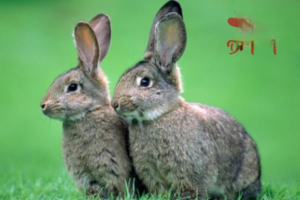
How Does Light Affect Rabbits?
Light shapes nearly every side of a rabbit's life, but only in the right amount. Longer days advance sexual maturity and support doe fertility (aim for 14–16 hours at ≥4 W/m²), while over-lighting bucks harms sperm and weight. Moderate light also drives coat growth and the twice-yearly molt, and keeps housing dry enough to fend off parasites and fungal skin disease.
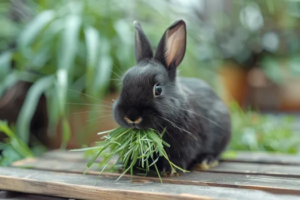
Why Light Matters for Rabbit Growth
Light is essential to a rabbit's health — moderate exposure aids growth, speeds fur production, and boosts fertility, with long-haired rabbits the most dependent (artificial light can lift their yield about 35% over natural). Lean on natural light first and top up with artificial, giving breeding does around 16 hours; but keep summer sun short to avoid heatstroke.
How Cage Lighting Affects Rabbit Fattening
Meat rabbits gain weight faster in dim, quiet cages — they eat more evenly and digest better, adding 250–350 g over six months versus bright conditions. But lack of light lowers immunity, so keep cages clean and the diet nutritionally complete.
My rabbit has a ring on its front leg; it reacts strongly and seems in pain when I pull lightly, my finger can pass through the middle, and there’s fur outside the flesh ring
The vague description can't confirm the issue; consider trauma or severe skin disease. See a vet for a detailed exam. If delayed, clean and disinfect with saline and iodine, then apply erythromycin or pet topical anti-inflammatory. See a vet if no relief.
My rabbit has a slight cold, skin bumps, sneezing, and a wet nose
From the photo, the rabbit shows dandruff, scabs, and hair loss, mainly considered fungal or bacterial infection. Keep the environment clean; for the symptoms, clip fur, clean with saline, disinfect with hydrogen peroxide, and apply anti-inflammatory ointment.
My rabbit is losing fur and slightly bleeding. How to treat?
Fur loss and bleeding at the ear edge is usually from over-scratching due to fungus, bacteria, mites or allergy, causing skin damage; common infections cause local inflammation. Get a microscope exam of skin secretion at a vet. If unavailable, fit a collar, rinse with saline, apply iodine, and use a broad-spectrum pet skin spray twice daily.
Why did my rabbit’s fur become lighter?
Rabbit fur color is affected by environment, genetics, and physiology. In sunny conditions, melanin decreases and fur lightens; in dark, very cold places, fur is darker. Poor nutrition, growth, or lactation can also change color. If no other abnormality, no worry.
My Rabbit Has a Hard, Slightly Soft Lump Near Its Eye Oozing White Matter; How Do I Treat It Without a Nearby Vet?
Facial abscesses in rabbits usually come from nasolacrimal or dental problems, sometimes bone infection. They feel like hard lumps or movable soft bumps.
My rabbit keeps sneezing, wet nose, slight stuffy breathing; appetite, energy and stool normal — what to do?
Rabbit colds come from chills or poor ventilation/hygiene. Treat promptly and keep warm. Use veterinary antibiotics (enrofloxacin, amoxicillin) for secondary infection, and astragalus polysaccharide oral liquid for immunity; for fever use flunixin meglumine. Never use human cold or Chinese patent medicines — risk poisoning. If worse, see a vet.
Winter Care for Rex Rabbits
Winter's cold, short days, and scarce greens threaten rex rabbits with illness and poor breeding, so hold the barn above 10°C (below 5°C is life-threatening), keep it dry and ventilated, add light, and warm kits. Feed more energy-rich food — roughly 23–25% of the diet — with nighttime meals at 60% of daily intake and some carrot or greens to avoid vitamin lack.