Search Results
130 results for “Oxytetracycline”

Causes and Treatment of Turtle White-Eye Disease
White-eye disease is feared by turtle keepers; it mainly comes from poor water quality or weak immunity and should be caught early. Internal causes are frail constitution (hatchlings, poor husbandry, genetics); external causes are overcrowding and fouled, alkaline water. Mild cases soak in saline or nitrofurazone; severe cases need antibiotic soaks plus eye ointment; eye erosion needs vitamin B and oxytetracycline soaks. Act in spring and autumn when it peaks.
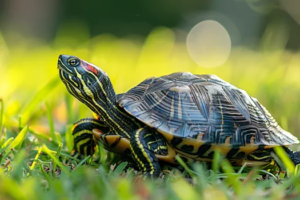
How to Treat a Cold in a Turtle
Turtle colds are treated by severity: mild cases need isolation and a warm (30–32°C day, 28–30°C night), well-ventilated environment plus electrolytes and sunlight; moderate cases add daily oxytetracycline soaks; severe cases need amoxicillin for two courses, with a vet visit if there is no improvement.

Causes and Pathological Analysis of Turtle Enteritis
Turtle enteritis is usually triggered by a sharp drop in enclosure temperature or spoiled food, and good husbandry and careful feeding prevent most cases. This article covers the causes, the staged symptoms (from mild loose stools to severe floating, refusal to eat, and limb weakness), and the pathology—where lost electrolytes weaken the gut's absorption and must be replenished—plus treatment centered on anti-inflammatory, anti-diarrheal, and mucosal care.

Symptoms and Treatment of Arowana Pinecone Disease
Arowana pinecone disease (raised scales), also called 'arowana cold,' is often triggered by large temperature swings during seasonal changes. Early signs are darkening, rough skin, and scales protruding outward; severe cases show swollen scale sacs with bloody fluid and ascites. Treatment starts with raising the temperature 1–2°C, adding salt (0.6–1%), and partial water changes; medication is added if no improvement.

Parrot Eye Swelling: Symptoms and Treatment
Parrot eye swelling (locally known as 'qi yan') is a highly contagious disease that mainly affects peachy-faced lovebirds and can sweep through a flock with often fatal results. This article covers its typical symptoms, local and systemic treatment options, and practical prevention measures.

Treatment Plan for Turtle Enteritis
Turtle enteritis comes in chronic and acute forms; chronic cases are mild and easier to manage, while acute enteritis can kill turtles en masse within a short time and is highly contagious through the air. Management means isolating and disinfecting sick turtles, and treating with gentamicin/chloramphenicol injections or oral oxytetracycline/berberine, with prevention favored over cure.
How long for a goldfish’s swim-bladder disorder to heal?
Recovery depends on cause. Most common is low oxygen; with prompt aeration it recovers in about 10 minutes. Overfeeding or bacteria may cause it; bacterial cases heal in 2-3 days with oxytetracycline.
How long for a blood parrot fish’s enteritis to heal?
Blood parrot enteritis usually cures in 3 to 7 days with active treatment. Signs are dark color and white or trailing stool; fast 3 days, change water, raise temp to 28 C, and use oxytetracycline if needed.
Does my turtle have skin rot? It was like this when I got it home
Skin rot shows as ulcers, gray-white patches, whitened skin and local tissue death, often from poor water or infected wounds. Dry keeping plus iodine and antibiotics is key.
How long does it take to cure a turtle’s skin ulceration?
Turtle skin ulceration has a long treatment cycle, generally about a month, and untreated secondary infection can be fatal. Dry-treat first, soak briefly 3 times daily, and apply iodine and erythromycin.