Search Results
504 results for “Overfeeding”
What happens if an Alaskan puppy overeats?
Overeating increases an Alaskan puppy's digestive burden and can cause indigestion, diarrhea, vomiting, and gastric dilation. Long-term overfeeding easily leads to obesity and raises the risk of heart disease, diabetes, and bone disease, shortening lifespan, so feed measured meals by age, weight, and activity and ensure exercise.
What Do African Jewelfish Eat?
African jewelfish like plankton, snails, crustaceans, and small fish, plus some plant food like algae and plant fragments. They are greedy with big appetites, so control portions to avoid illness.
What Pets Eat Mealworms?
Hamsters, guinea pigs, chinchillas, rabbits, and some pet birds can eat mealworms, but not too many, to avoid nutritional imbalance or gut burden. Mealworms are high-protein, low-fat pet food.
What happens if I give my cat too much hairball paste?
Too much hairball paste causes soft stools and diarrhea by over-stimulating the gut; some pastes have appetite enhancers that cause picky eating. Use 2–3 times weekly in shedding season.
What does the fortune fish eat?
An omnivore favoring small invertebrates (insects, plankton, mollusks) and plant foods (aquatic plants, algae). Feed a balanced diet; it's greedy, so feed twice daily, only what it eats in 3 minutes.
What happens if an Alaskan Malamute puppy eats too much?
Overeating causes poor digestion, vomiting, and diarrhea, and long-term leads to obesity with joint, heart, and diabetes risks. Feed on a fixed schedule by age and weight.
What happens if a dog eats too much lecithin?
Too much lecithin causes obesity, indigestion, and imbalance; in moderation it helps skin and coat. Overload triggers diarrhea and vomiting and long-term fat metabolism issues. Follow dosage guidance.
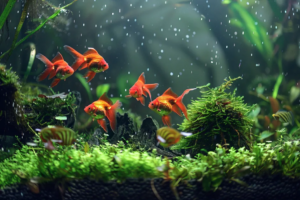
Causes of Acquired Arowana Drop-Eye
Factors causing acquired arowana drop-eye include feeding, water level, light, and the keeping environment. In general, acquired drop-eye results from incorrect keeping methods. Although drop-eye is not a disease and causes no harm, it seriously affects appearance. Our veterinarian details the causes, hoping keepers will take preventive measures.
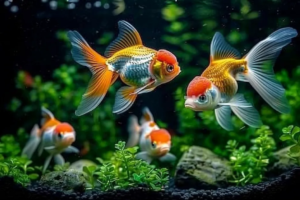
How to Correct Arowana Drop-Eye
Arowana drop-eye is common. Although it does not threaten health, it seriously affects appearance, so keepers should prevent it and correct it promptly once found. How can drop-eye be corrected? Our veterinarian shares some methods to relieve arowana drop-eye, hoping to help you.

Favorable Conditions for Arowana Coloration
Good arowana color rests on five pillars: a pure bloodline, stable and clean water, a dark yet well-lit tank with combined top and side lighting, varied and nutritious feeding, and a balance of slow and fast growth. Patience is essential, because coloration is a long, gradual process.