Search Results
66 results for “Nutrition & Diet”
Cat Food Ingredients to Avoid, No Matter How Cheap
Not all cat food is created equal, and the ingredient list is the single most reliable way to judge quality. Some products hide preservatives, flavor enhancers, and fillers that can harm your cat over time — from potential carcinogens like BHA, BHT, ethoxyquin, and TBHQ to appetite stimulants such as MSG and pyrophosphate. Other risky additives include propylene glycol, nitrites, synthetic vitamin K3, and thickening gums, while artificial colors and sweeteners add sugar and nothing of value. Because cats are obligate carnivores, diets overloaded with corn, wheat, or soy not only lack nutrition but may trigger allergies and even aflatoxin exposure. Learning to read the label helps you protect your cat from low-grade food, no matter how attractive the price.
Hatchetfish
Also known as the Swallow Fish, Chest-Knife Fish, or Sternoptyx, the hatchetfish is a group of unusually shaped small freshwater fishes. Its body is extremely laterally compressed with a greatly protruding belly, giving it the silhouette of an ancient stone axe—hence the name.

Electric Blue Prince Cichlid
At least five geographic variants of the Electric Blue Prince exist, all native to Lake Malawi in East Africa. With its gentle temperament and ease of keeping alongside other community fish, this mbuna cichlid enjoys consistently positive reviews among hobbyists.

Whitefin Surgeonfish
The whitefin surgeonfish (Acanthurus albipectoralis) is a Great Barrier Reef tang that grows to ~33 cm and is uniformly black with a white rear-half pectoral fin. A marine (saltwater) species, it is aggressive to its own kind but peaceful with others, and needs a large reef tank with stable, high-quality water and both meaty and algal foods.

Japanese Butterflyfish
The Japanese butterflyfish (Chaetodon nippon), a small and comparatively easy butterflyfish marked by a crescent-shaped black blotch on the rear of its body. A temperate species happiest below 26°C, omnivorous and suited to a reef-style aquarium of at least 190 L.

Eastern Painted Turtle
One of four painted-turtle subspecies - smaller, plainer and a bit harder to keep than the western form, but a classic, hardy North American pet with a red-edged shell.
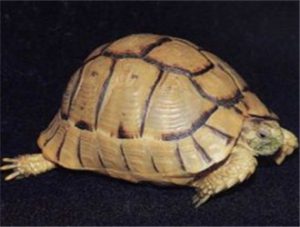
Egyptian Tortoise
The Egyptian Tortoise (Testudo kleinmanni) is the smallest tortoise in the Northern Hemisphere and the most fragile, hardest-to-keep Mediterranean tortoise. Tiny changes in environment or diet can cause stress death; do not mix it with other turtles.
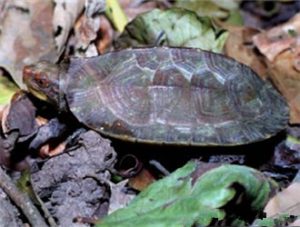
Cochin Forest Cane Turtle
The Cochin Forest Cane Turtle (Vijayachelys silvatica) is a rare, semi-aquatic turtle from the forested hills of southern India above 300 m. Secretive and burrowing, it is seldom seen in trade and hard to keep.

Common Spider Tortoise
The Common Spider Tortoise (Pyxis arachnoides) is a tiny forest tortoise endemic to Madagascar. Never captive-bred and only wild-caught in trade, it is demanding and listed on CITES Appendix I, so buy with caution.

Narrow-bridged Musk Turtle
The Narrow-bridged Musk Turtle (Claudius angustatus), nicknamed the king of the mud-and-musk turtles, is an expensive, fierce-tempered and highly entertaining aquatic turtle. It tolerates deep water but can still drown.